Introduction
Agriculture is undergoing a true revolution thanks to the introduction of drones, giving rise to what we now call precision agriculture. These advanced tools make it possible to monitor large areas with great accuracy, collecting detailed data on the condition of crops. This information allows targeted interventions to be planned, optimizing the use of resources such as water and fertilizers, reducing waste and increasing efficiency.
But the revolution doesn't stop there: alongside drones dedicated to monitoring, there are models designed to carry out field operations, such as spraying liquids or spreading granules. These tools combine innovation and tradition, enhancing the products of the land, protecting crops and ensuring a more sustainable future for agriculture.
NDVI and NDWI: Indices for Monitoring and Intervening
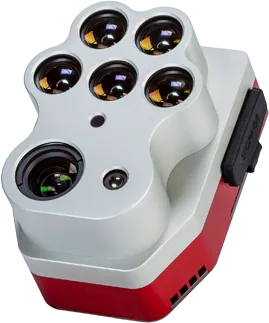
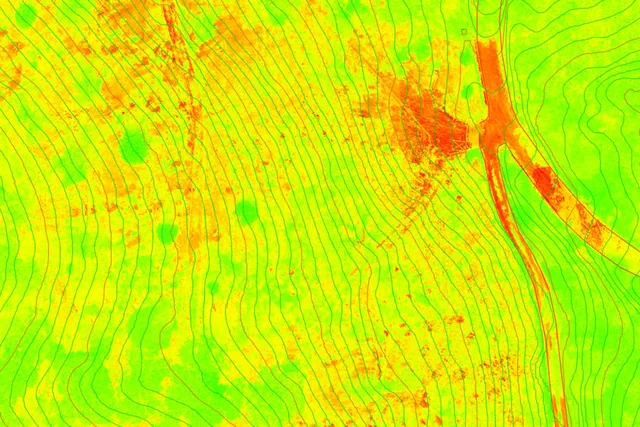
In precision agriculture, one of the most advanced technologies is represented by multispectral indices, such as NDVI (Normalized Difference Vegetation Index) and NDWI (Normalized Difference Water Index). The NDVI index makes it possible to monitor plant vigor, while NDWI detects any water stress.
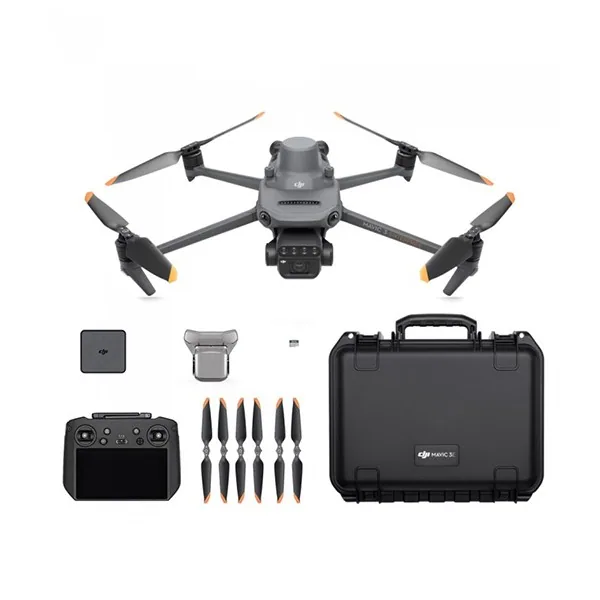
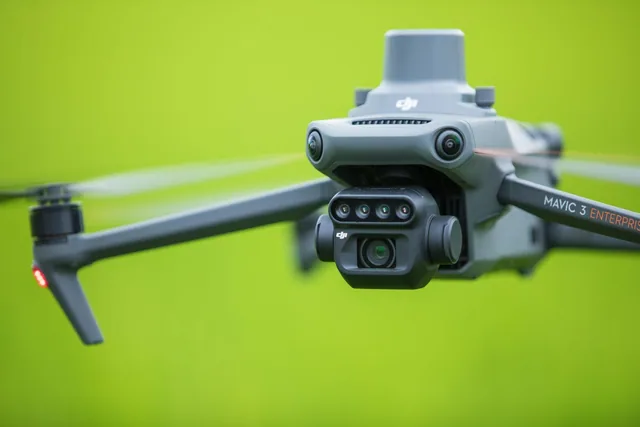
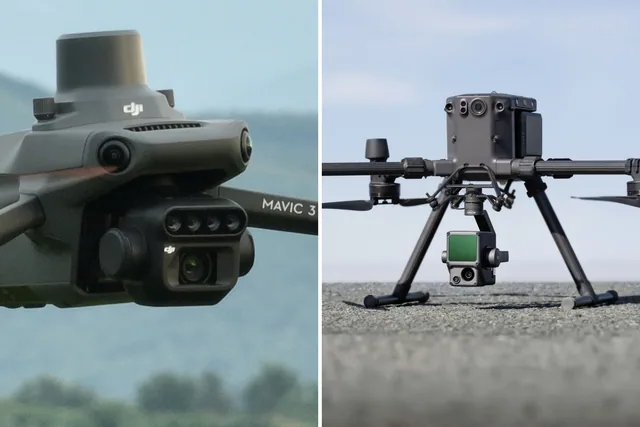
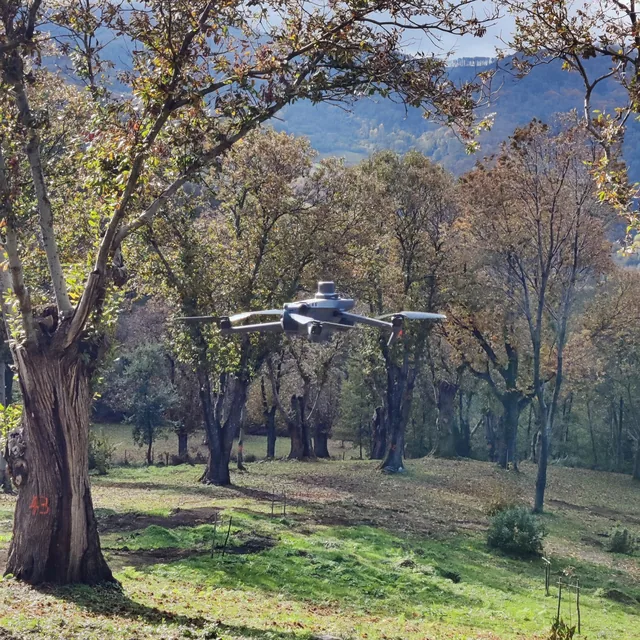
During a recent job of ours, we used the DJI Mavic 3 Multispectral, an extremely reliable tool for collecting and analyzing this data. Thanks to the Mavic 3M, it is possible to create detailed maps that allow strategic intervention, optimizing crop management and improving agricultural yield.
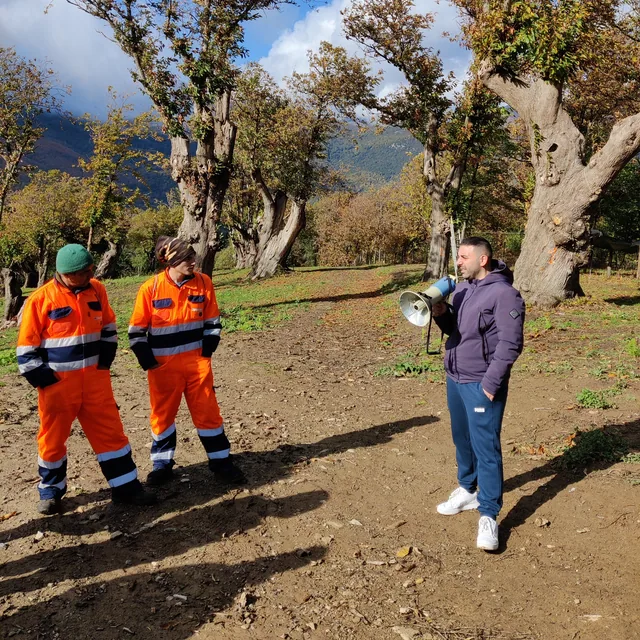
We had the opportunity to present and discuss these technologies during an event held right at the site where our flight operations took place, showing how innovative tools such as multispectral drones can transform the approach to agriculture and offer practical solutions to complex problems.
The Chestnut Grove in Calabria: Enhancing the Land
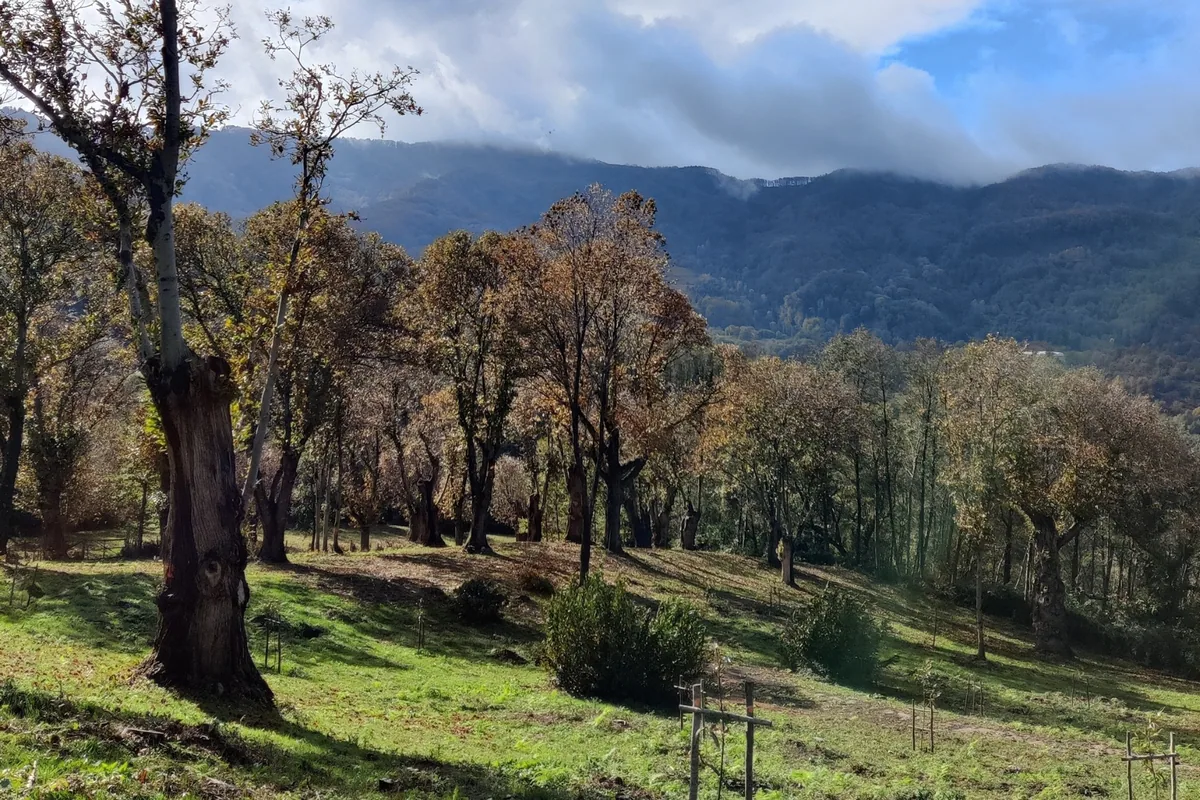
The job concerned a chestnut grove located in Calabria, a land rich in traditions and agricultural potential. We were commissioned to carry out a complete analysis to map and monitor the health of the plants, with the aim of investing in this resource and preserving the traditions tied to the area. Thanks to the NDVI analysis, the plants proved to be in excellent health, with vigorous vegetative growth. However, the NDWI index highlighted water stress attributable to the scarce rainfall that has affected the region in recent months.
This project is not just an investment in technology, but also a step toward the enhancement of local agricultural traditions and the products of the land, preventing them from being lost over time.
Conclusion
Despite the difficulties linked to weather conditions, the Calabrian chestnut grove is a healthy resource with great potential. Investing in one's own territory, with the support of advanced technologies such as multispectral drones, means preserving traditions and looking to the future with awareness and innovation.