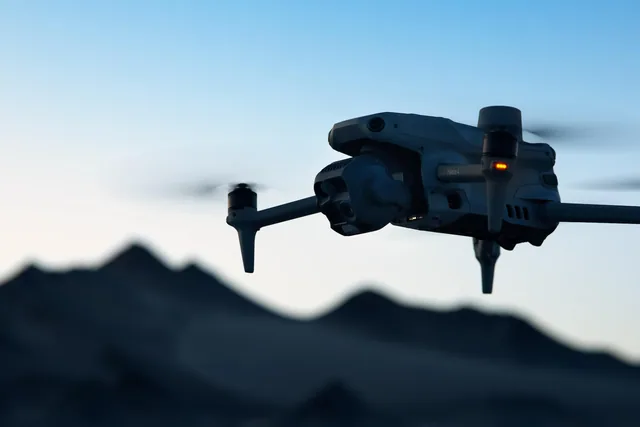
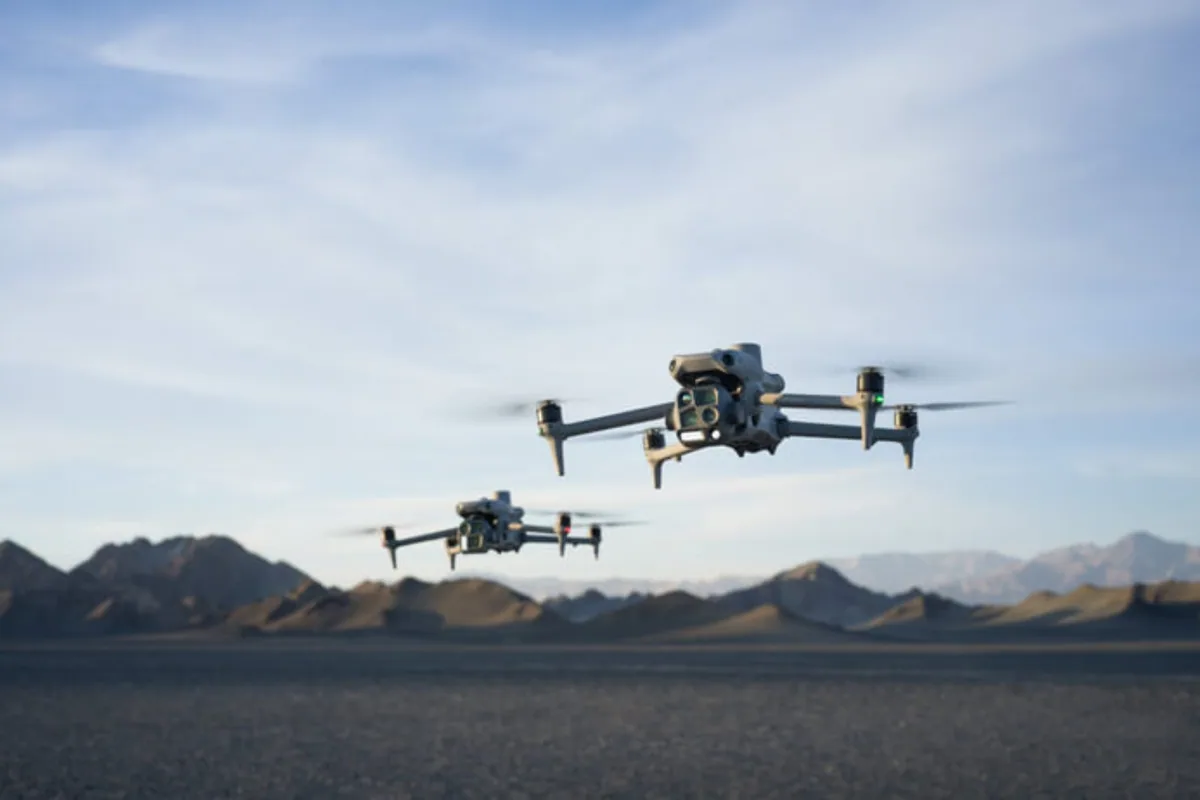
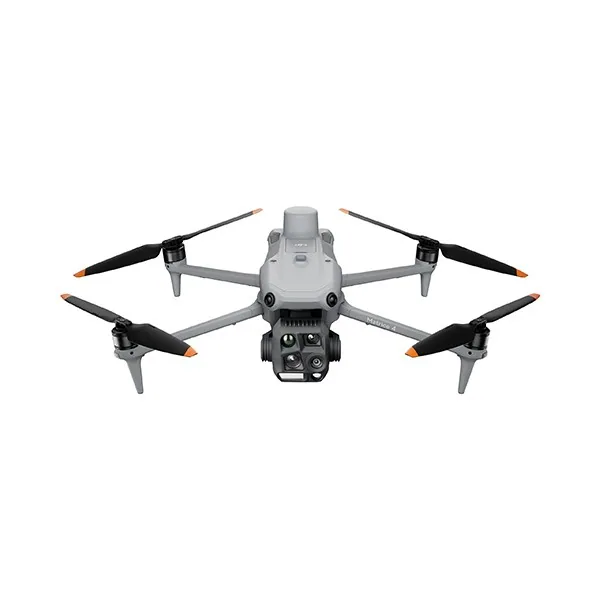
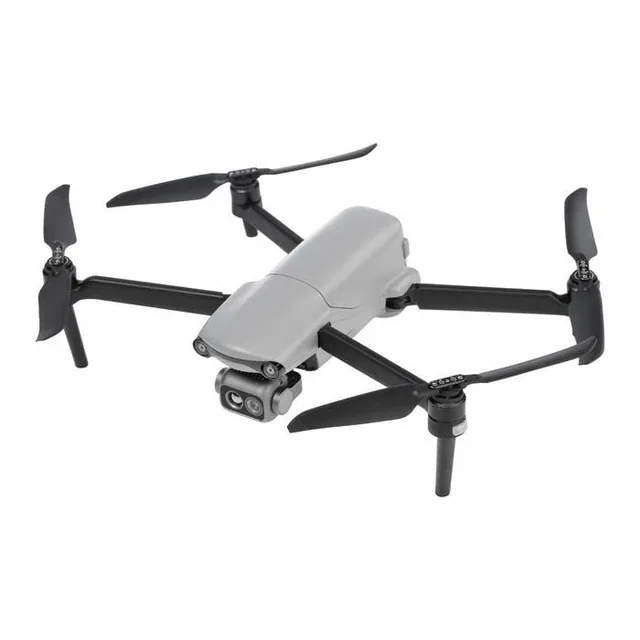
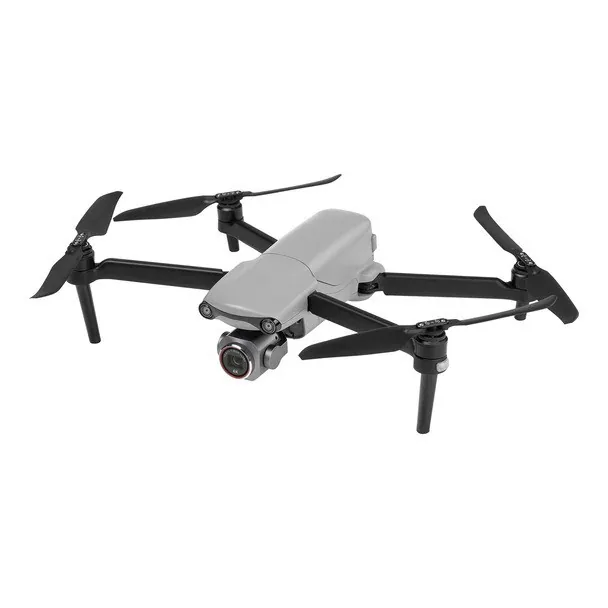
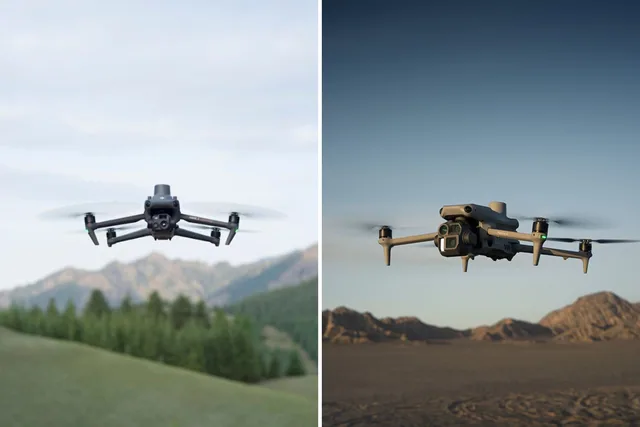
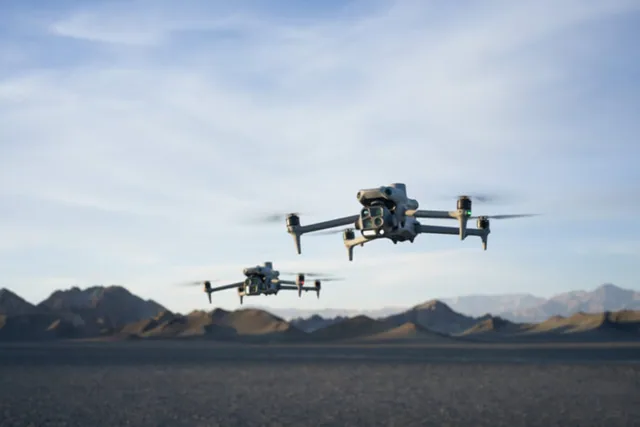
Autel Evo Max 4T, DJI Matrice 4E and DJI Matrice 4T are today three of the most advanced solutions in the enterprise drone landscape.
Industrial inspections, photogrammetric surveys and public safety operations have profoundly different requirements: assuming that a single platform can excel in all of these fields is a fairly common mistake. In this article we therefore analyse the operational differences between these three drones, with the aim of understanding in which contexts each one can truly make the difference.
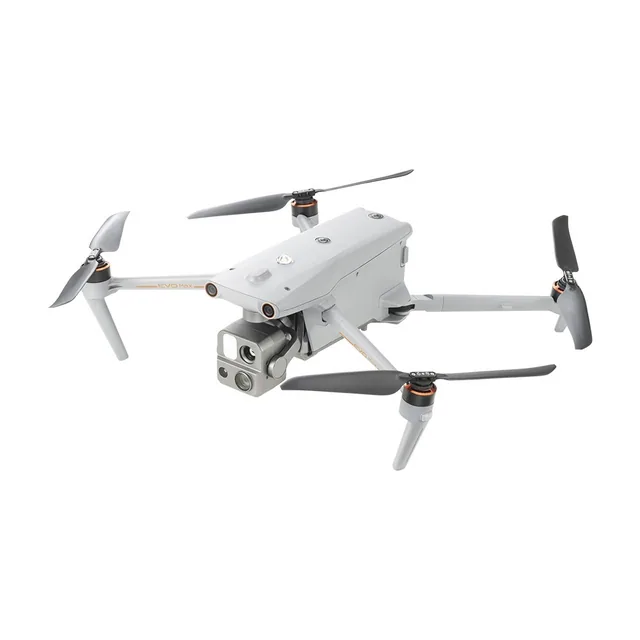
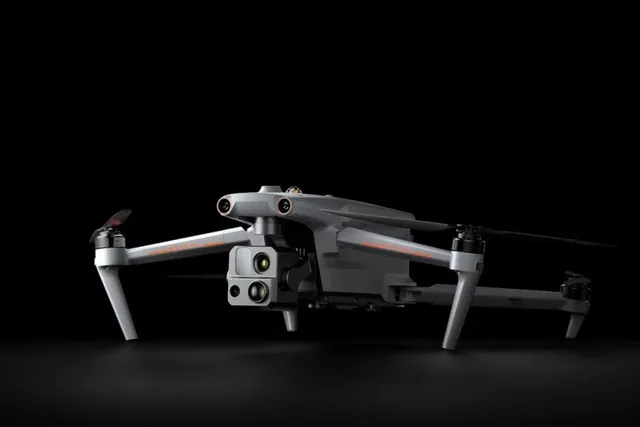
The Autel Evo Max 4T was born with a strong focus on autonomy, but it is also a complete inspection platform thanks to its integrated thermal camera. It is designed to operate in conditions where other drones begin to show clear limitations, such as environments without GPS signal or settings with strong electromagnetic interference. The integration of binocular vision and millimetre-wave radar enables navigation that does not rely exclusively on satellite systems, making it particularly well suited to complex industrial scenarios.
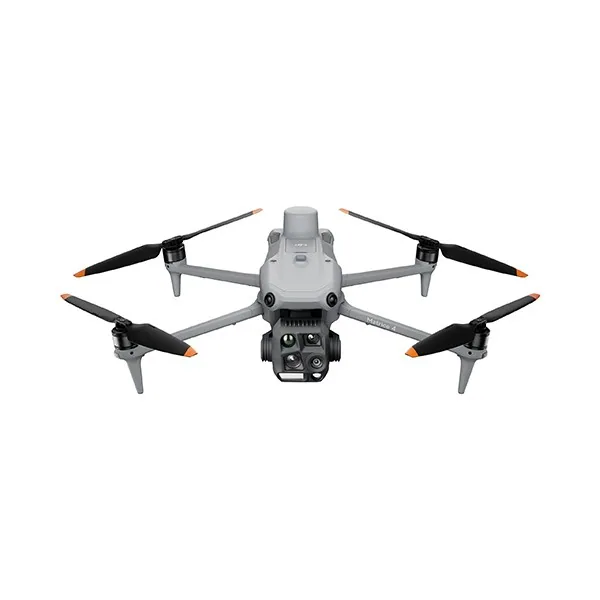
The DJI Matrice 4E, on the other hand, follows a completely different philosophy and is the only one of the three not designed for thermography. It is a drone built around the concept of geometric precision: the 4/3 sensor with mechanical shutter and the automated capture features are clearly geared towards photogrammetry and 3D modelling. Here the goal is not to cover multiple operational fields, but to achieve the highest level of accuracy in surveying.
The DJI Matrice 4T sits closer to the Autel, because it too was born as a platform for inspection and security, with a strong focus on thermography. It integrates a thermal camera, night vision, zoom and laser rangefinder in a single system. Unlike the Autel, however, it does not focus on autonomy in critical environments, but on greater operational integration and versatility in dynamic scenarios.
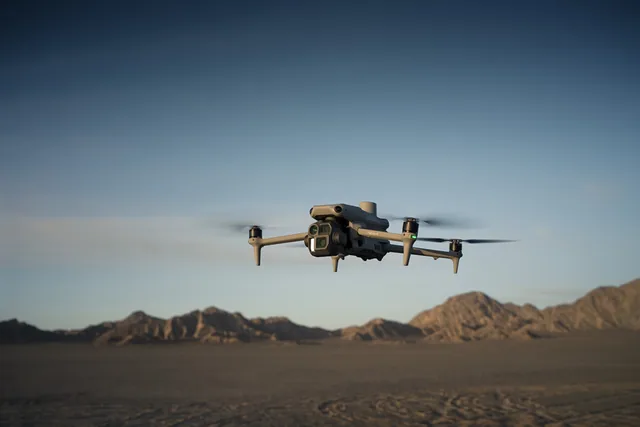
Differences that really affect your work
The differences emerge more clearly when looking at structure, sensors and navigation system together.
The Autel Evo Max 4T is heavier, but it offers greater operational robustness, with IP43 protection and the ability to work in more demanding environmental conditions. It also features a complete multi-sensor configuration and, above all, a navigation system based on advanced vision and millimetre-wave radar, which allows it to operate even in GPS-denied environments or with strong interference.
The DJI models follow a different logic. They are lighter, with longer flight times, and rely on a system based on omnidirectional vision and high-precision RTK. The result is extremely reliable positioning in standard conditions and greater efficiency in covering large areas. In this context, the Matrice 4E is clearly geared towards metric data quality, while the 4T combines visual and thermal sensors with a more operational approach.
Software: the hidden advantage
One aspect that is often underestimated is the software ecosystem. Here DJI maintains a significant advantage. The integration between Pilot 2, Terra and FlightHub 2 makes it possible to manage the entire workflow, from planning to final deliverables, without leaving the DJI environment.
Autel offers advanced and interesting features, but its ecosystem is still less structured. This is not necessarily a limitation, but it means that users must build part of their own operational workflow, especially in complex professional contexts.
Final thoughts
In the enterprise sector, a drone only makes sense if it is integrated into a process. The right choice is not the one with the most technology, but the one that reduces time, margin for error and complexity in day-to-day work.