
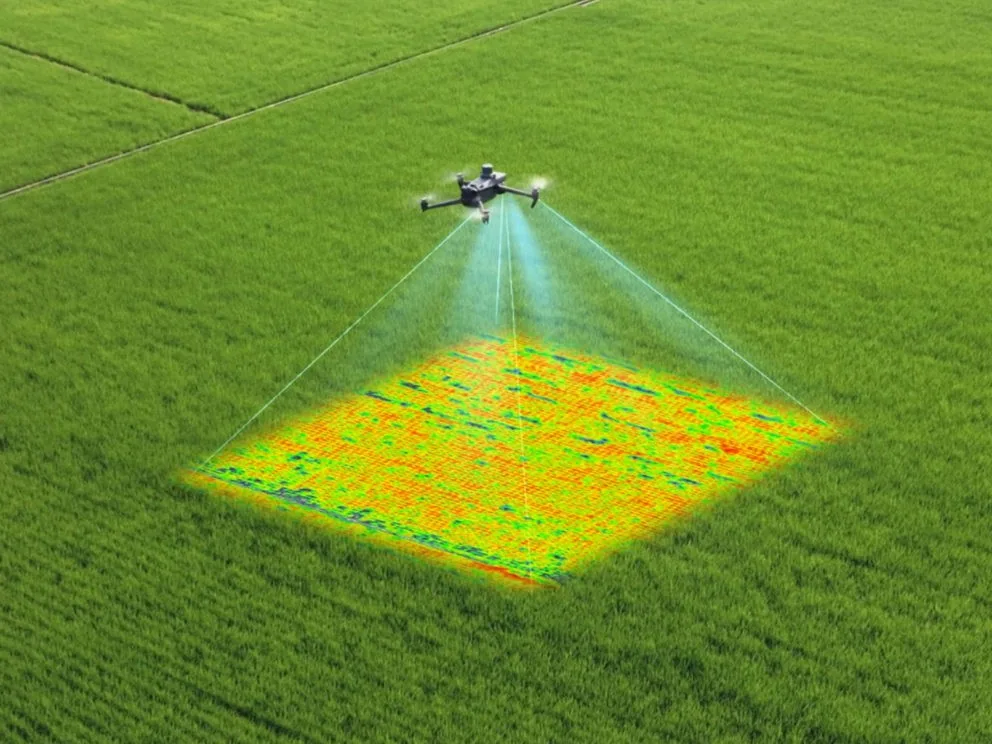
Crop water stress: how to recognise it before it's too late
From NDWI index analysis to targeted interventions with agricultural drones: how technology can help prevent damage caused by water shortage.
· 3 min read
Batteries, downtime and operating costs: the purchase price is only part of the investment. Find out which factors really affect the productivity and cost-effectiveness of an agricultural drone.
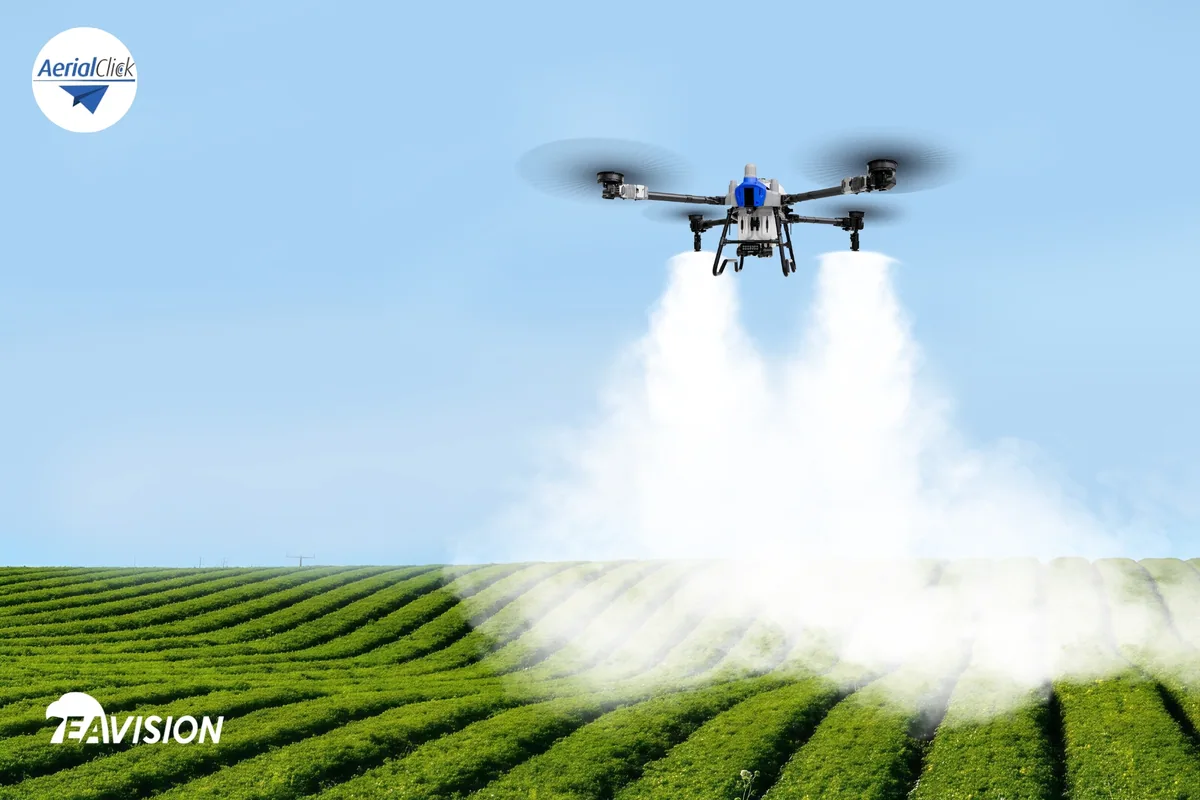
Buying an agricultural drone means investing in productivity, but the price on the quote tells only part of the story. Batteries, recharging times, mission organisation and the characteristics of the terrain can significantly affect the profitability of the investment.
When evaluating professional drones for spraying and spreading operations, attention often focuses on tank capacity, endurance and declared performance. These are certainly fundamental parameters, but on their own they don't show how efficient a system really is. For a farm or a contractor, in fact, what matters is not only how much a drone can carry, but how much surface it can work in a day, with what resources and at what cost.
When analysing the productivity of agricultural drones, we tend to look mainly at in-flight performance. Yet an important part of efficiency is determined when the drone is on the ground.
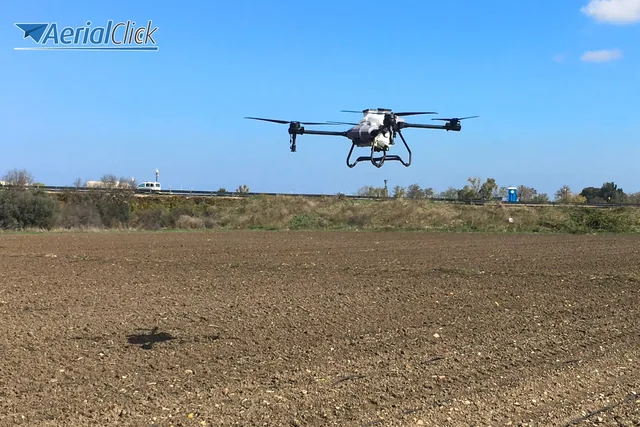
Battery swaps, tank refilling and mission preparation are essential operations that, if not properly organised, can turn into unproductive time. The solution is not necessarily to buy a large number of batteries: a fast-charging system, combined with efficient rotation management, can maintain operational continuity with a smaller investment. This is the case, for example, of the EAVision J110 and J150 Evo drones, which feature fast-charging systems with stated times of about 9 minutes from 30% to 95%. Under suitable operating conditions, it is possible to organise continuous work cycles with three batteries, reducing management needs and the capital tied up in accessories.
The goal, then, is not simply greater endurance, but a system able to reduce interruptions and keep the work pace constant.
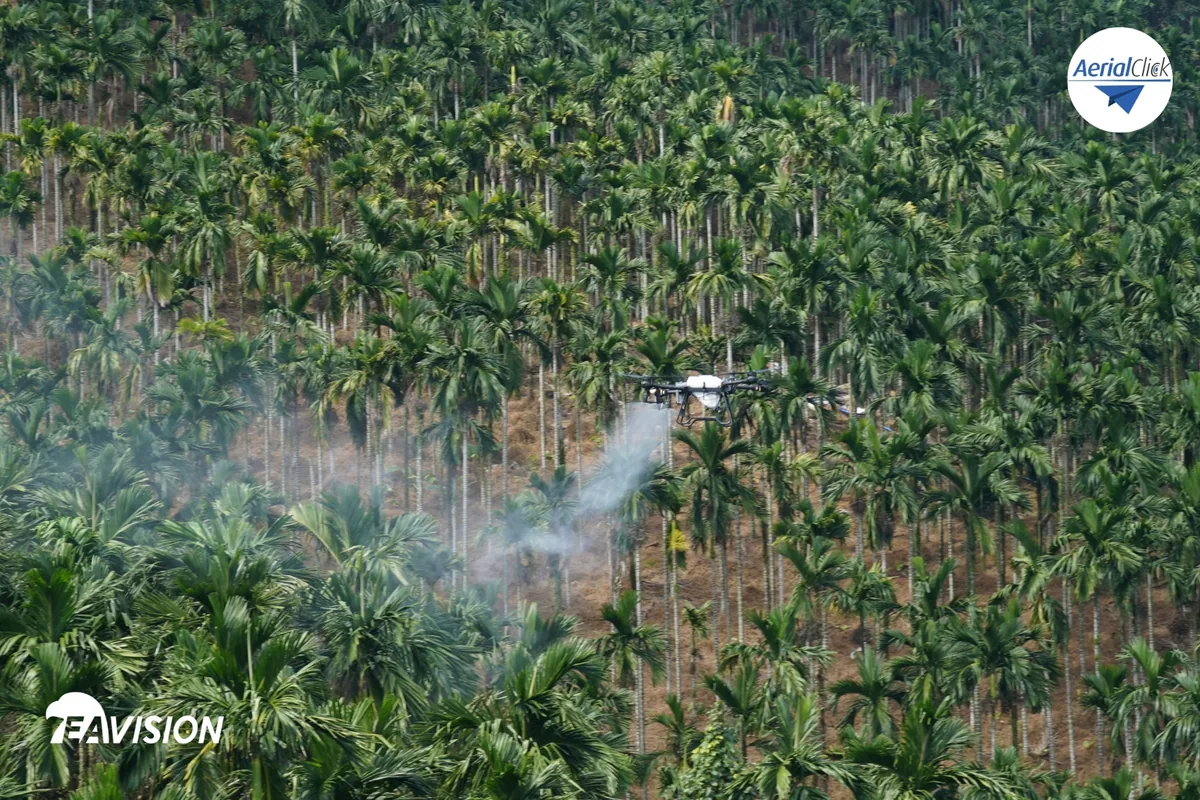
How many hectares can a drone work in an hour? It is one of the most frequent questions when evaluating this technology. But the answer depends on many more variables than it might seem.
A larger tank capacity can certainly reduce the number of refills; however, actual productivity is also affected by variables such as field shape, distances to cover, required application rates and environmental conditions. Working on flat, regular ground is not the same as operating in a hillside olive grove, between narrow rows or among natural obstacles: in these contexts, navigation technology plays a decisive role. The LiDAR and radar systems integrated into EAVision agricultural drones, for example, support obstacle detection and adapt the flight to the terrain profile, helping to make operations in complex environments more manageable.
Productivity, therefore, should not be assessed only on the surface theoretically covered during flight, but by considering the entire work cycle: from preparing the aircraft to completing the job.
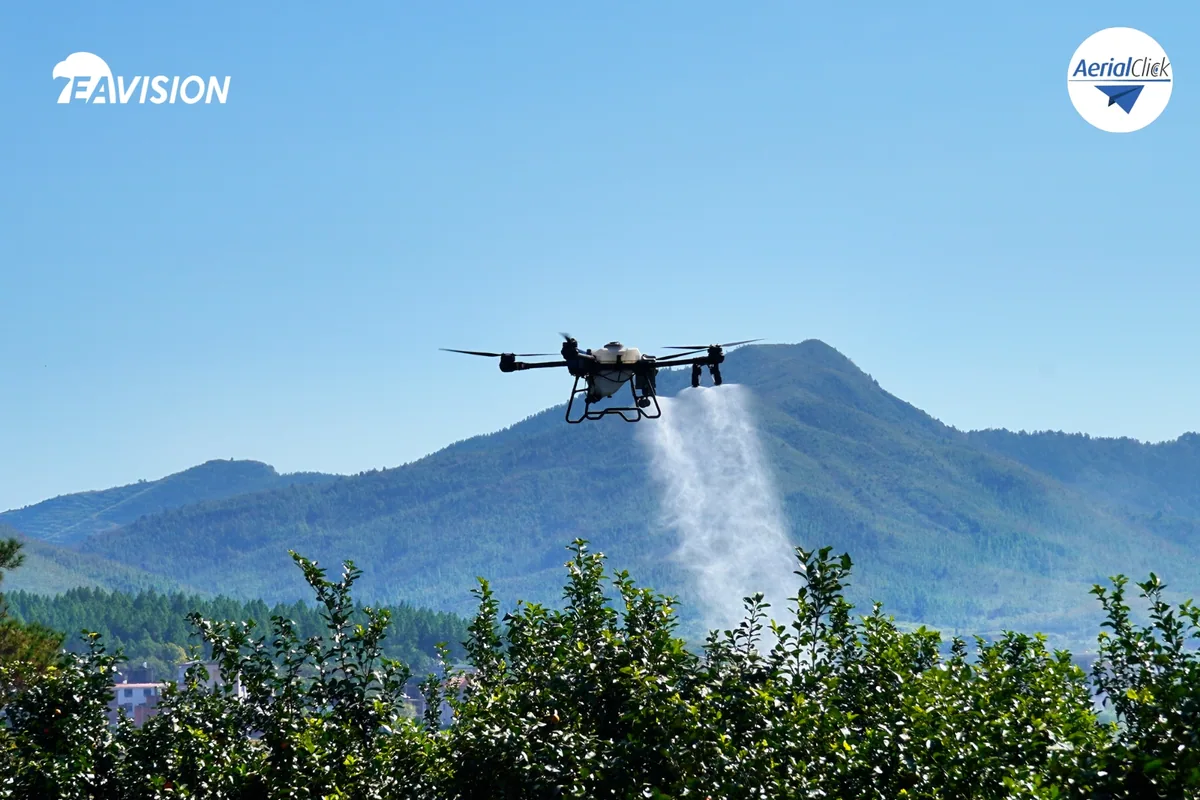
When assessing the economic viability of an agricultural drone, the initial price is therefore only the starting point.
Another particularly useful indicator is the cost per hectare worked, which relates the resources used to the area actually treated: the calculation includes labour, the energy needed for charging, maintenance, depreciation of the drone and batteries, as well as the time spent on preparing and managing operations. Two systems with similar characteristics can therefore involve different investment and running costs; likewise, a drone with a higher initial price is not necessarily less cost-effective if its features improve productivity in a specific operating context.
This is precisely why the choice should start from the jobs you intend to carry out, and not solely from the technical characteristics of the product.
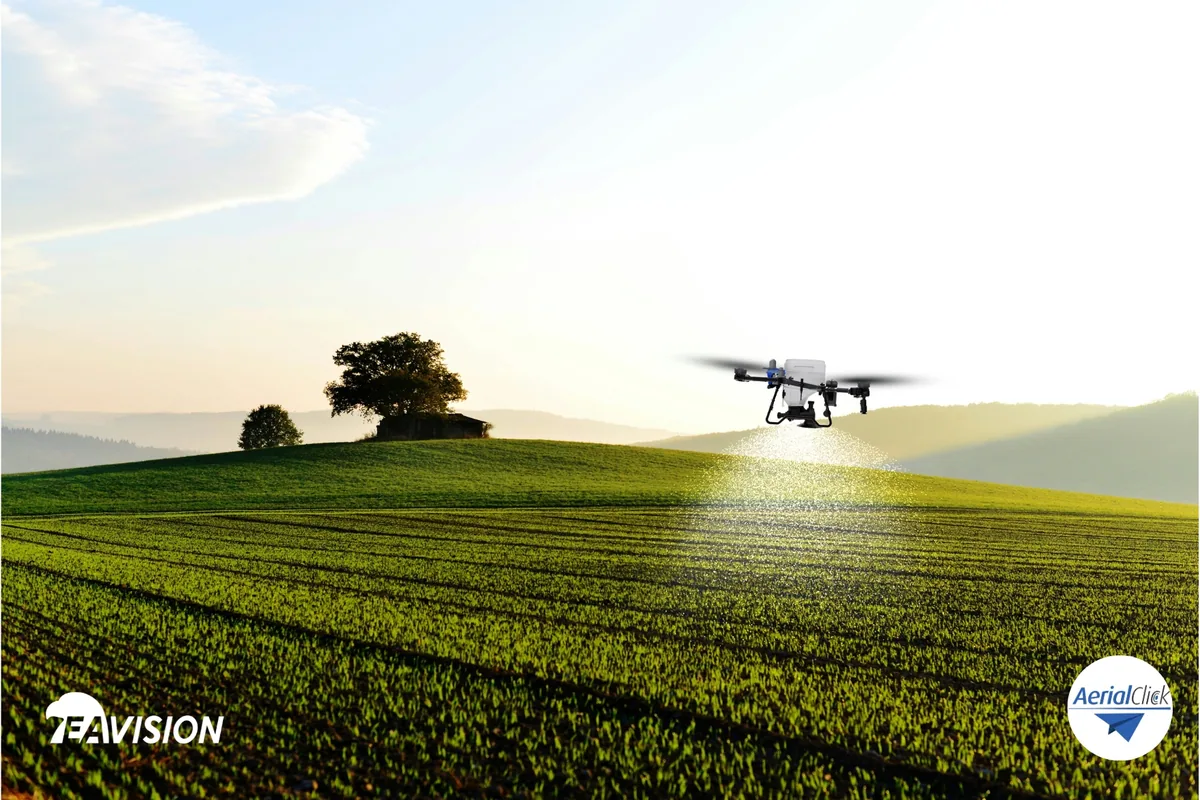
The evolution of agricultural drones is offering new opportunities to organise operations with greater flexibility, but it also requires evaluating investments from a broader perspective.
Payload capacity, endurance, navigation systems and charging speed are not independent features: together, they determine the overall efficiency of a system. Understanding how these variables affect day-to-day work means being able to choose more knowledgeably, avoiding basing important decisions solely on price or declared performance.
Selected by our staff based on the topic of the article. Not sure which one to choose? Ask us for advice.
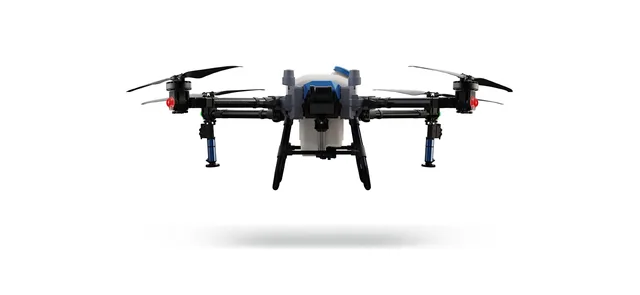
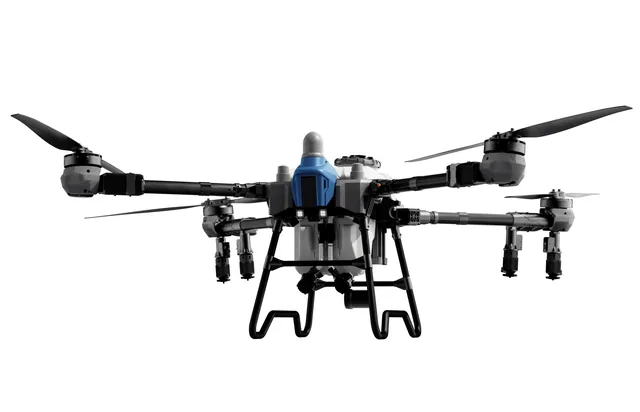
We help you choose the drone, sensors and software based on the job to be done, with training and after-sales support. We usually reply within one business day.
From NDWI index analysis to targeted interventions with agricultural drones: how technology can help prevent damage caused by water shortage.
· 3 min read
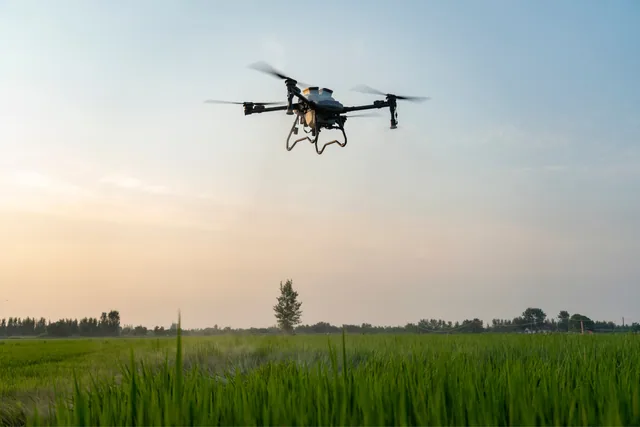
When it comes to agricultural drones, the question is not “which is the best?”, but “which is the best fit for the way I work?”. Aerialclick offers three solutions...
· 2 min read
In recent years, the spread of drone use in agriculture has radically transformed crop management, introducing more...
· 3 min read
🍪 Cookies on AerialClick
We use technical cookies, which are necessary for the site (cart, login). With your consent we also use marketing cookies (Meta) to measure campaigns and show you relevant ads. You can change your mind at any time from "Cookie preferences" at the bottom of the page. Cookie policy