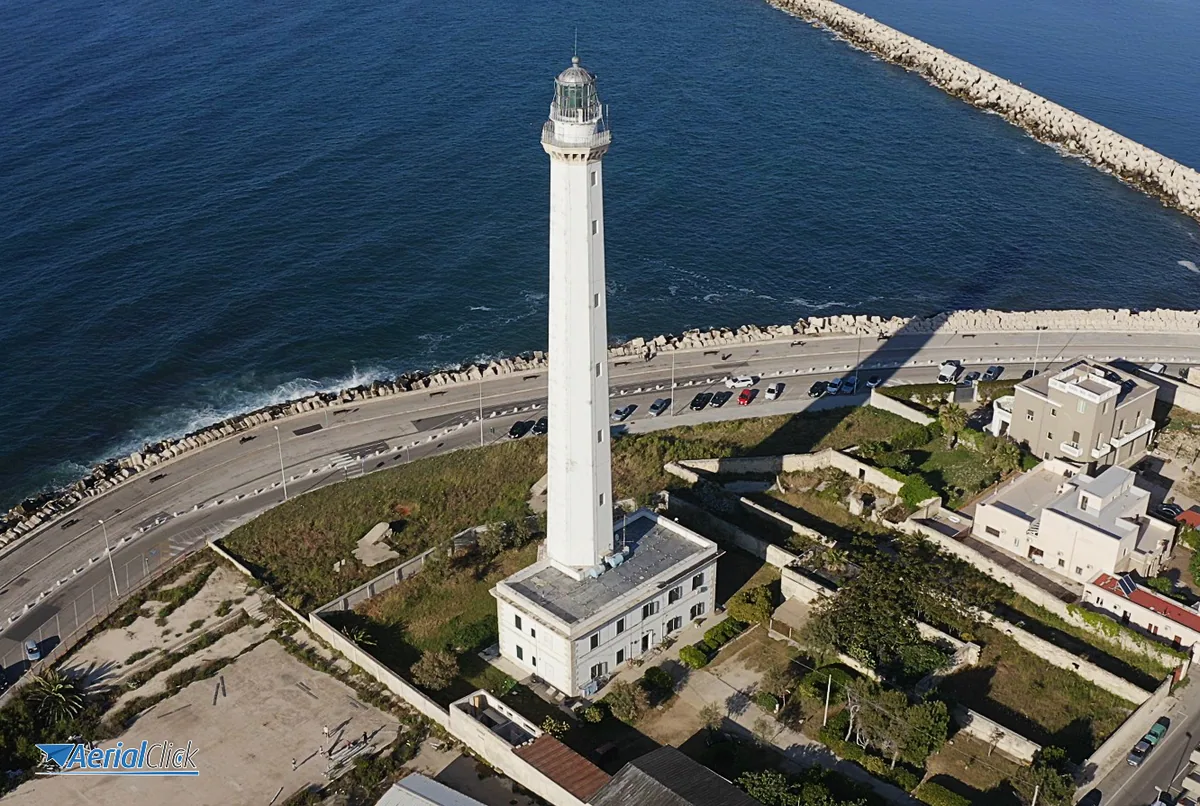
Many people love photography and aerial filming. For passionate photographers and budding film-makers it is often a matter of taste and inspiration, while for many professional film-makers and seasoned photographers specialising in aerial photography is a way to stand out from competitors and to offer special, better services to clients, especially in terms of advertising and marketing.
We have in fact already talked about how and why aerial photography can give an extra edge in promoting certain types of business (read the article How to make promotional aerial videos on this subject) and we have also already explained which mistakes to avoid in aerial photography in the article 3 mistakes to avoid in aerial photography. Now we will give three small tips on things that, on the contrary, are worth doing to stand out and become a good reporter or provider of aerial filming services.
#1 - Observe what is already being done
It is not a way to "copy" or to keep an eye on the competition. Going to other photographers' exhibitions or following the websites and blogs of those who share our passion is both a way to draw inspiration from others and also to look for paths not yet traced.
#2 - Know all the tools available
This does not mean owning or buying them all, but knowing their technical specifications and their potential uses, so as to possibly decide to buy/rent only the one or ones closest to our goals.
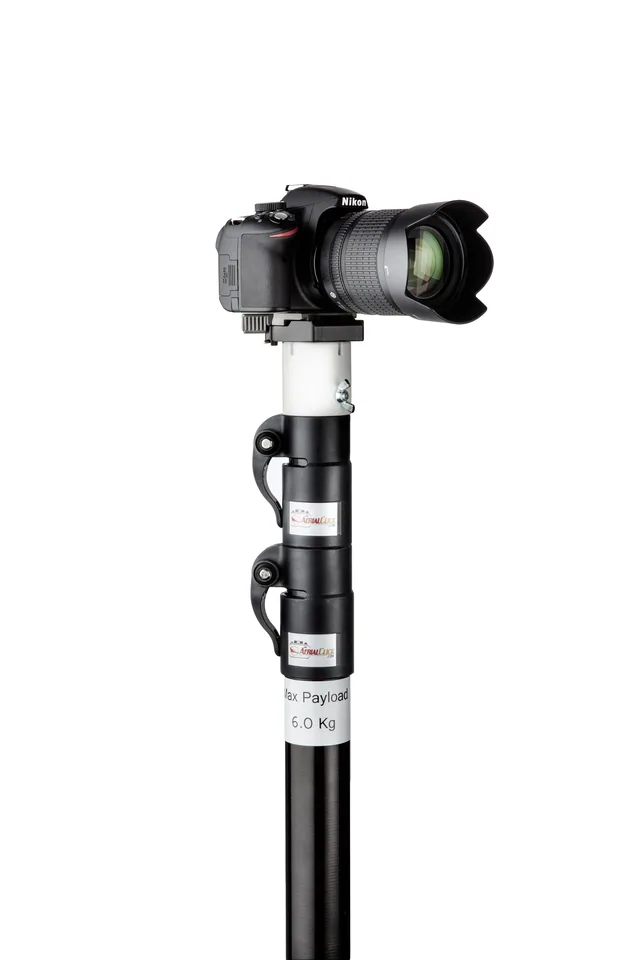
Drones are not the only option! There are also gliders, hot-air balloons or simple but very useful telescopic poles. The latter, for example, are particularly useful and versatile for interior shots, while drones are well suited to mapping or survey work for public bodies and heritage authorities.
#3 - Know the regulations
Every tool has very precise technical specifications and also regulations that whoever uses it must comply with.
For drones, gliders and hot-air balloons, for example, it is essential and unavoidable to know and follow ENAC regulations regarding flight procedures and also to hold specific qualifications and certifications in order to pilot them. For telescopic poles there are far fewer restrictions: none from ENAC, for example. But they cannot be carried as hand luggage on planes, so if you need your pole for shots during a trip, it is wise to find out about boarding procedures.
You may also be interested in the article Perfect aerial footage: the 3S rule