
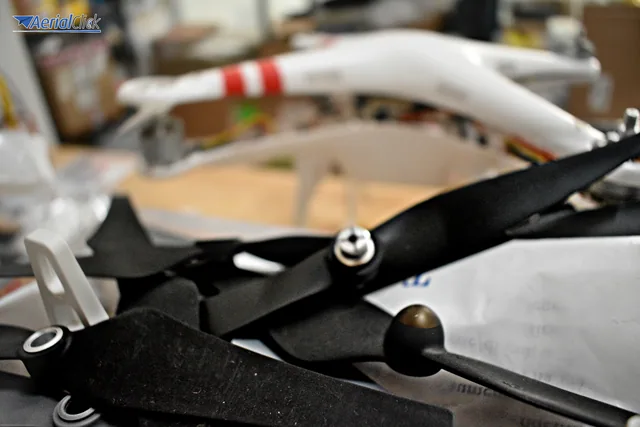
5 mistakes a drone pilot must never make!
Professional drones are a true revolution of recent times, cutting-edge tools of excellence for carrying out remote surveys and filming.
· 3 min read
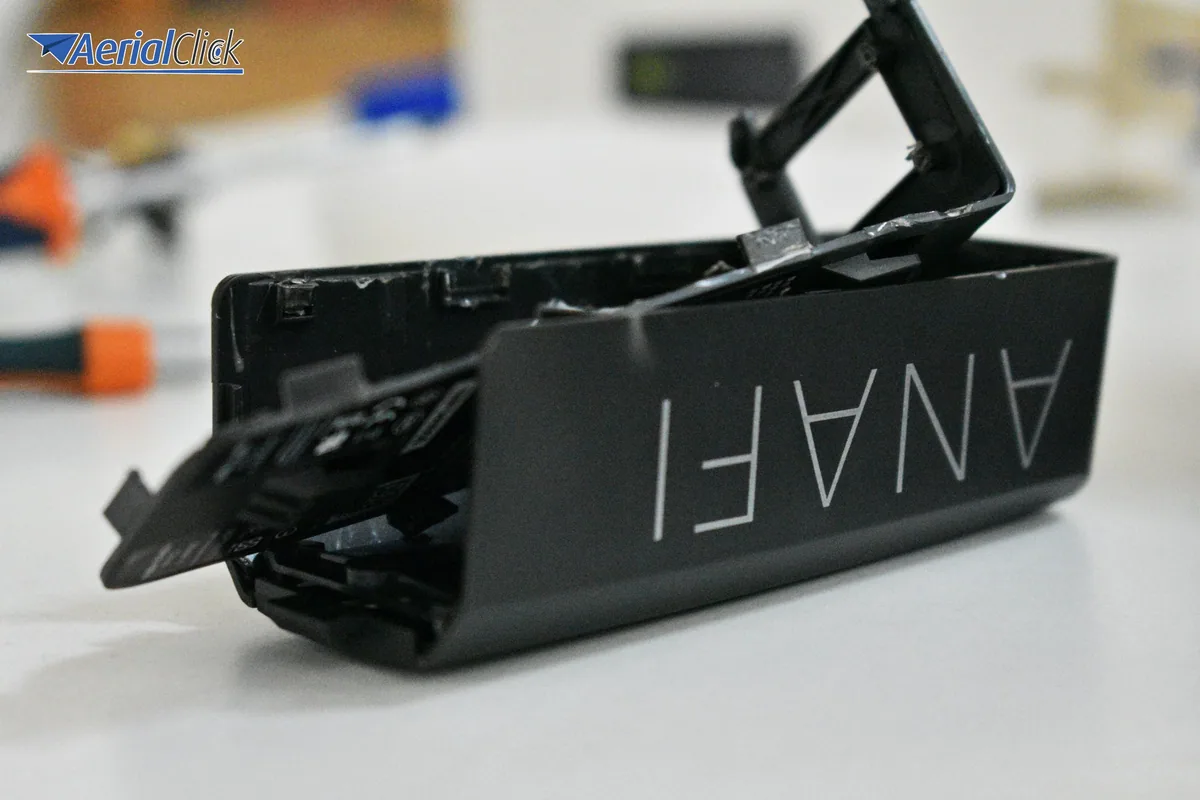
Of course, your drone's battery can have different lifespans depending on the drone model and its cost. But above all it is important to consider how you use it.
If you too have the nightmare of being left stranded by your multicopter's battery, here are 4 simple tips explaining how to make a drone battery last longer and also how to extend its overall life.
Do you think it's obvious to always have the camera on board your multicopter? You're wrong.
Even if you need to shoot aerial video and you're just doing a simple test flight, practising, or just want to see how your craft copes with light gusts of wind or particular conditions, remove the camera. The camera not only adds weight to our drone, making it consume more energy and shortening battery life, but in some cases it is also powered by the craft's battery.
Obviously, the lighter it is, the less it will affect battery life.
Battery life also depends on the right size of propellers. The latter depends not only on the type of multicopter and the weight of the frame but also on whether or not a camera is on board.
With a camera, the propellers must in fact be slightly wider precisely to allow the craft to make the best use of aerodynamics, weight and energy.
Without a camera, on the other hand, it is better to fit thinner propellers because they can save even more energy and power.
Flying without wind, without rain and early in the morning, let's say from dawn until 11:30 (when the air is more rarefied), lets the craft fly with less effort, with benefits for battery life as well as for the drone's handling (beginners, in fact, should practise as much as possible in the early morning hours to gain confidence with piloting).
The way we charge the battery can also affect not only the duration of each cycle but also the battery's overall lifespan.
First of all, make sure to finish charging the battery at most four hours before each flight. Charging the day before or, worse, two or three days before the flight reduces the charge duration because energy tends to decline even when not used.
Moreover, ideally you should never let it discharge completely, but put it on charge when it is between 40 and 80% of its capacity.
It is also important to avoid charging it in environments exceeding 34-35 degrees Celsius, because above these temperatures in the charging environment the energy absorption capacity is reduced by 30%.
You might also be interested in the article 3 mistakes to avoid in aerial filming
With these small tips you can do something to make the most of and extend the life of your drone battery and take care of it, but don't expect miracles. As with any electronic device, battery life cycles are limited and decrease in proportion to the intensity of use. A second battery is always necessary!
Diagnosis, repairs and maintenance in our workshop in Brindisi: open a case online and track the repair status.
Request assistance
Professional drones are a true revolution of recent times, cutting-edge tools of excellence for carrying out remote surveys and filming.
· 3 min read

Drone pilots know specific tricks for getting good footage!
· 3 min read
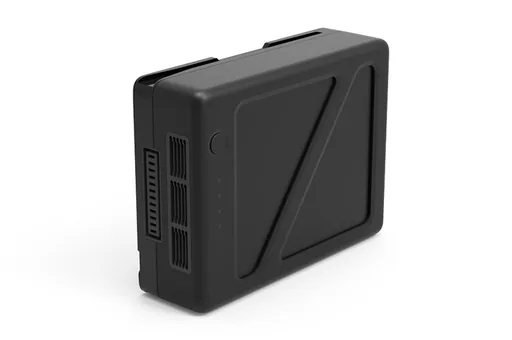
Battery life is the nightmare (or at least one of the recurring worries) of all professional drone pilots and of those working to become one.
· 4 min read
🍪 Cookies on AerialClick
We use technical cookies, which are necessary for the site (cart, login). With your consent we also use marketing cookies (Meta) to measure campaigns and show you relevant ads. You can change your mind at any time from "Cookie preferences" at the bottom of the page. Cookie policy