
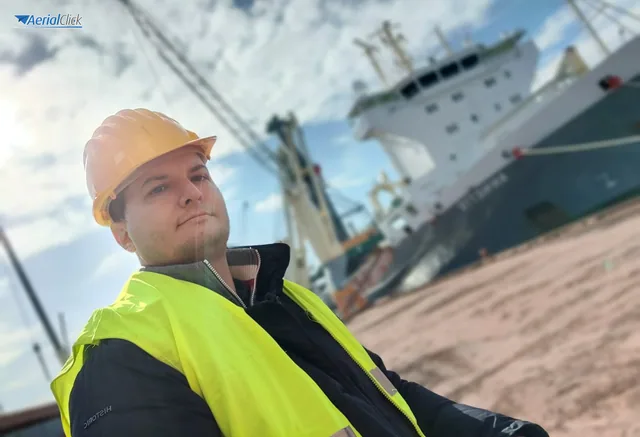
But how much (and how) does a drone pilot earn?
Yes, okay, but... how much (and how) does a drone pilot really earn? Let's find out together, because the answer can't be reduced to a single simple figure.
· 4 min read
Archive article. Article from 2016: since 31 December 2020, European rules (EU Regulation 2019/947) apply in Italy, and the information on SAPR, certifications and certificates described here is no longer in force. Read which certificates you need today
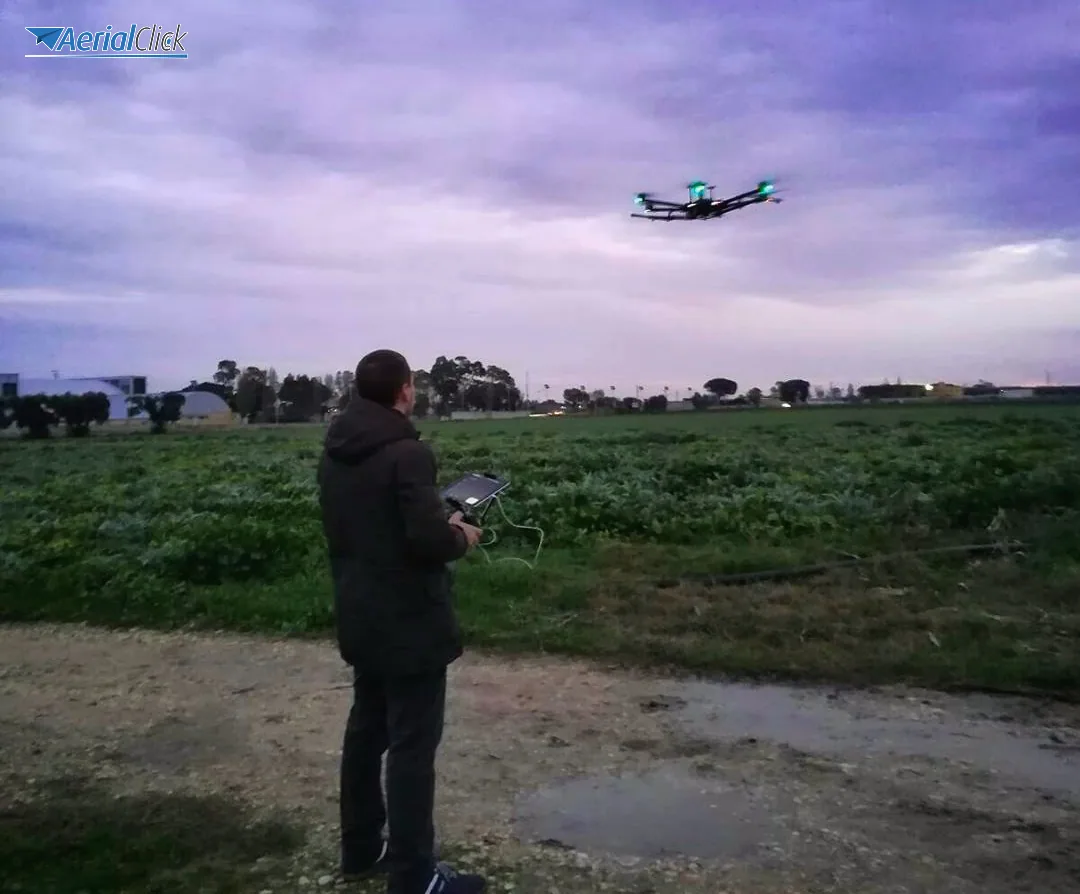
Not everyone who loves model aircraft, and not everyone who has received a small "garden drone" as a gift, is destined for a career as a SAPR Operator (remotely piloted aircraft systems operator), because that career depends on a series of variables and technical skills that we are about to outline.
It is true, however, that more than 50% of the drone pilots who now work as certified SAPR Operators started out with a personal passion for model aircraft.
Then there are people who have studied and work in the agricultural sector and have understood the importance of smart agriculture, in which quadcopters are an essential element, and there are architects and surveyors who have earned certification by specialising in the field of mapping and surveying, which has gone through a true revolution thanks to drones.
But a good share of the people who consider offering professional services with drones are precisely those who start out from model aircraft as a personal, home-based interest, built on self-taught knowledge of technical components, principles of physics and aerodynamics, and reading everything written on the subject both online and in print.
But what separates a drone expert for non-professional use from a SAPR Operator?
Let's look at it together through a few points that also outline the path of the future drone pilot.
Let's be clear: a SAPR Operator course is not like an English course that gives you access to a recognised certification. Forgive the funny comparison, but it's true: many people know English very well, perhaps at a higher level than their own teachers, because they have lived and worked abroad, but when sending out a CV they need a certification of their proficiency level and take a course to obtain it.
The situation is very different for SAPR Operators: you can study as much as you like on your own, but a course also teaches you how to follow the regulations, updates you on ENAC restrictions, keeps you informed about the latest developments in the drone world and gives you technical skills that cannot be acquired in any other way.
Then, at the end of the course and after an exam, the pilot is issued a certificate, which must then be accompanied by a registration for your drone.
Write to info@aerialclick.com for information on courses, certifications and regulations, or follow us on our Facebook page.
We therefore recommend looking into courses recognised by ENAC (otherwise it's all pointless) that are closest to your area, or those where the instructors are willing to come on site for a group of people, or those that offer at least the theory part online (which are generally also cheaper).
Deciding which technical field to belong to is certainly not easy, but for your first steps it's better to specialise, both to face less competition and to offer more technical expertise to potential clients, targeting a limited market segment (in short, at the beginning it's easier to move around a small vegetable garden than through the jungle. Sure, the garden has fewer potential clients, but also less chance of being eaten by a tiger, don't you think?).
People often choose fields of application related to the passions that went along with model flying. It is also important to make your choice based on your own equipment or, conversely, to buy new equipment according to your choice.
If, for example, your goal is to create aerial videos for tourism or advertising, it's worth knowing that there are machines designed specifically for this, such as the beautiful YuneecQ500.
This is perhaps the hardest part of all, so don't be discouraged if they don't come right away.
Like all other freelancers in every sector, you will have to learn to manage your communication channels well, also by asking professionals for help and investing in this area.
Do you want to offer videos to companies that promote accommodation businesses? Follow them actively on Twitter and create your own YouTube channel!
Also read the article "7 Tips for Managing Social Media"
Secondly, you will need to get in touch with companies operating in your same sector and with colleagues (make the most of the contacts you made during the course).
Finally, there are online databases. We have found and feel we can recommend the site Professione Dronista, which is made precisely to connect certified SAPR Operators with companies that need them and often don't know how or where to look for those best suited to their needs.
Nothing new, nothing to be surprised about. Every new business involves investments, which are essential in the case of technical activities with high risk factors (no matter how good you are, if a flock of birds makes you lose control of the machine and it falls, it can hurt someone).
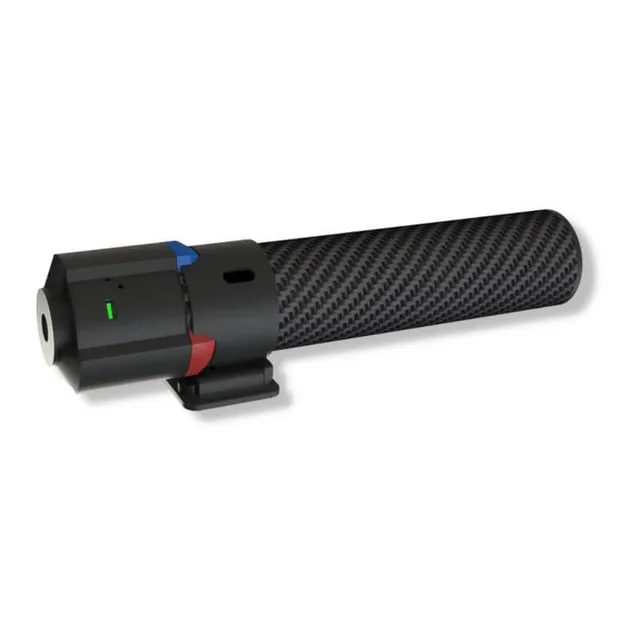
First of all, you will not be able (by law) to do without a good flight terminator and a parachute suitable for your drone.
Then it's a good idea to study which software, equipment and cameras are important for your field of work.
Good planning is the basis of everything.
Selected by our staff based on the topic of the article. Not sure which one to choose? Ask us for advice.
We prepare you for the ENAC exam for the A1/A3, A2 and STS certificates with instructors who fly every day: classroom courses in Brindisi, Calatabiano and Potenza, plus online lessons.
Discover the ENAC courses
Yes, okay, but... how much (and how) does a drone pilot really earn? Let's find out together, because the answer can't be reduced to a single simple figure.
· 4 min read
Every drone pilot knows it, from the very moment they start flying their drone and from the moment they are awarded their UAS Operator certification: that...
· 4 min read
We have learned that there are various types of drone pilots: for each of these types of UAS operator there are different types of drones, of different sizes, different...
· 4 min read
🍪 Cookies on AerialClick
We use technical cookies, which are necessary for the site (cart, login). With your consent we also use marketing cookies (Meta) to measure campaigns and show you relevant ads. You can change your mind at any time from "Cookie preferences" at the bottom of the page. Cookie policy