
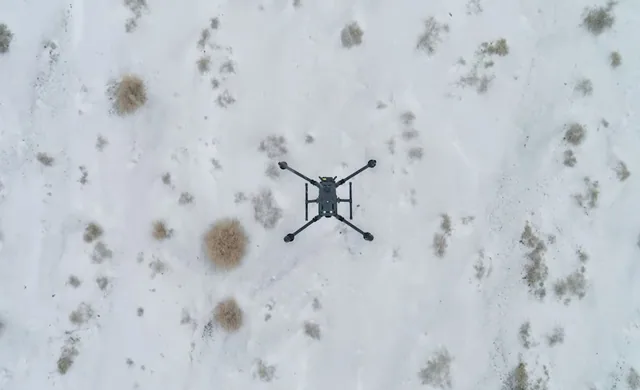
Drones against human trafficking
The idea of using military drones to monitor the boats of human traffickers coming from... has been in the news in these last dramatic days.
· 2 min read
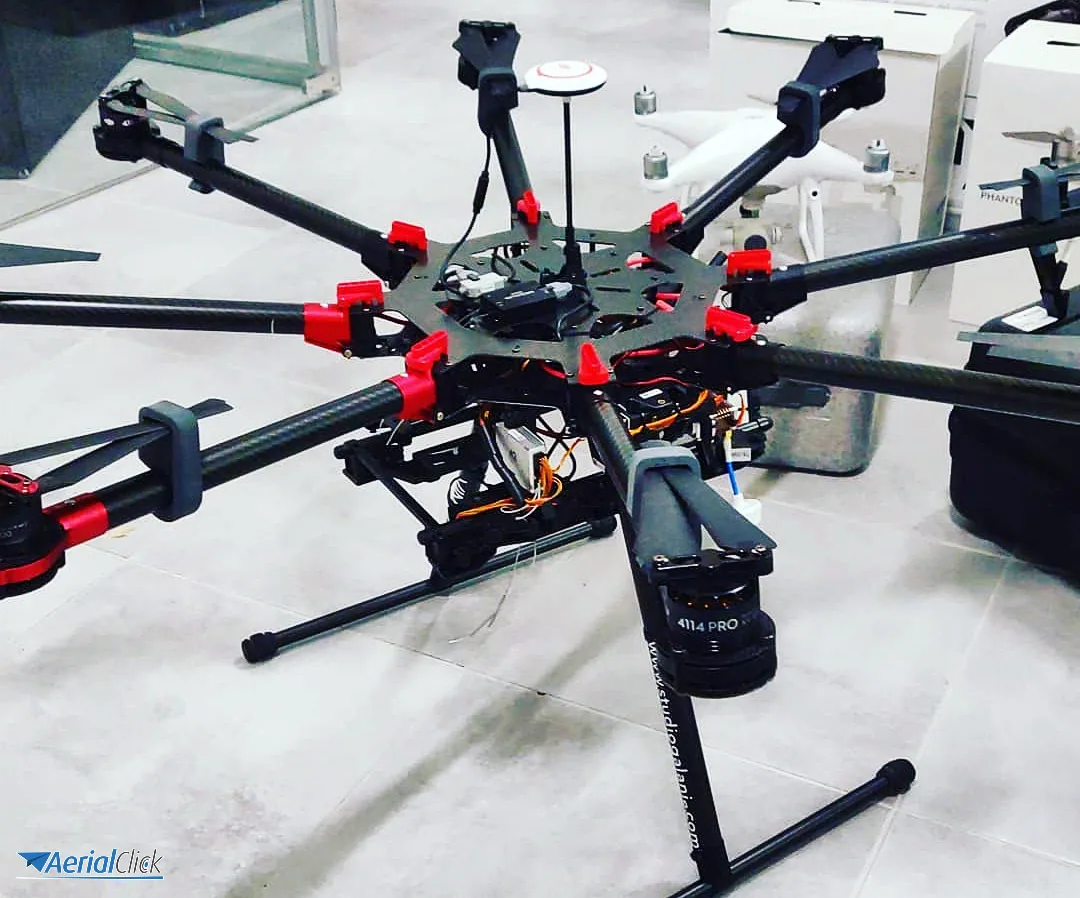
Drones are entering our lives ever more quickly. Many think they are just expensive toys for an audience of enthusiasts, others consider them useful tools for work (see the photographers who have found a way to create sensational videos, or the architects and surveyors who use quadcopters to carry out surveys from above). Still others have discovered that drones can be useful for saving human lives.
We have collected practical examples, already existing (not things that might happen in the future), of drones that save lives and simplify the work of doctors, paramedics and law enforcement.
Definetz, the name of the defibrillator drone, will be able to fly, thanks to GPS, to the place where a person has suffered a cardiac arrest. The drone, an octocopter, costs 20 thousand euros, a high expense but still far lower than that of a regular helicopter costing several million euros.
The only problem at the moment is the regulations. In Germany the drone is required to be piloted and monitored within visual line of sight, so remote piloting is out of the question.
The north-west of England is a spectacular place full of woods but extremely rainy. When it rains its rock faces are among the slipperiest in the country, and if you get lost and don't know how to go on, turning back is not easy. Thanks to drones (especially compact ones such as Drone Hunter), it is now possible to patrol the area and rescue missing people or people in difficulty using a camera or a thermal camera.
A relative of the defibrillator drone, Pars Rescue, a quadcopter by RTS Lab, can carry up to 3 life buoys and, thanks to GPS and its camera, can reach places a lifeguard cannot see, speeding up rescue operations.
After the L'Aquila earthquake the ground across the whole area hit by the quake was devastated. Recovering bodies and survivors from under the rubble was an operation that had to be done quickly. But precisely because of the rubble everywhere, rescuers struggled to get through. A radio-controlled drone, even a small one, would have been the ideal tool to survey the area and save many more lives. With a video camera or a thermal camera it would have been possible to intervene sooner and far more precisely. In the future these tools could be useful wherever needed following seismic and environmental disasters.
Sochi, 2014, Winter Olympics. A hexacopter with a video camera was flying over the tourists' heads. The crowd was afraid, and some people thought it was a large-scale terrorist attack. Nothing of the sort! The drone was being used precisely to watch over the crowd and check that the situation was under control.
And you? What kind of drone do you have in mind to do good for our society?
Selected by our staff based on the topic of the article. Not sure which one to choose? Ask us for advice.
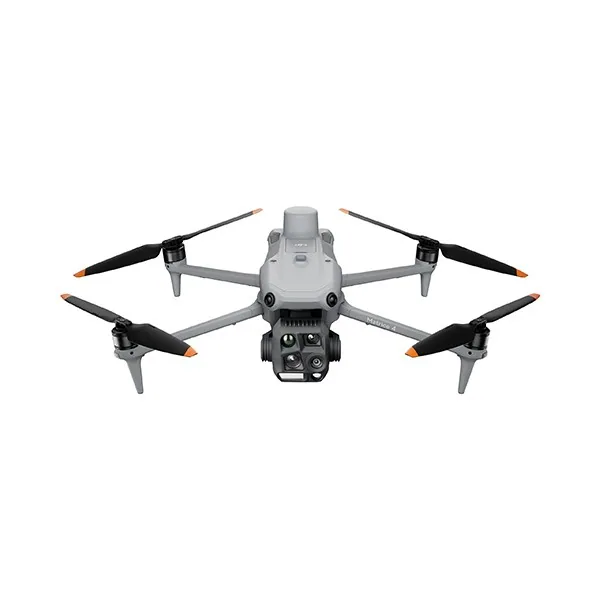
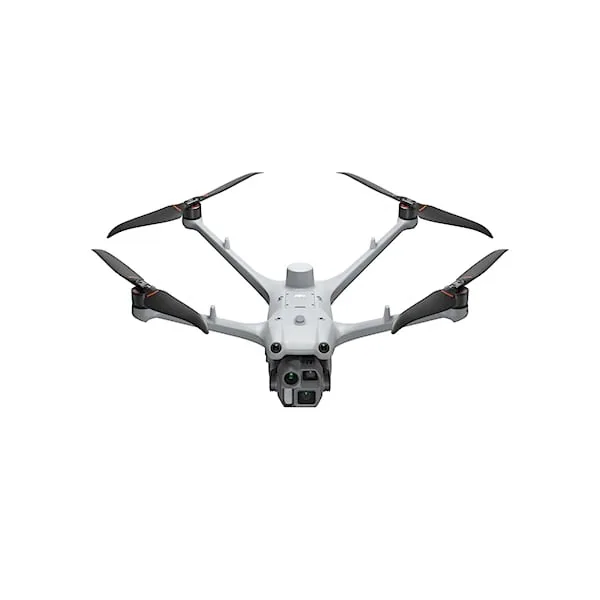
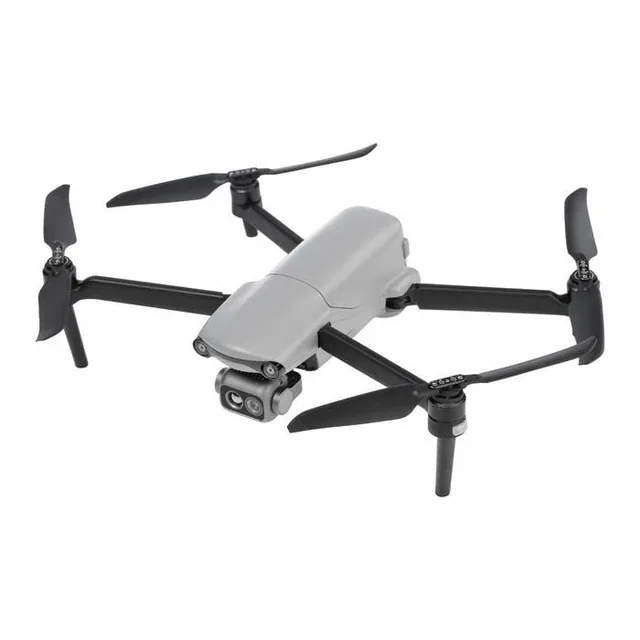
We help you choose the drone, sensors and software based on the job to be done, with training and after-sales support. We usually reply within one business day.
The idea of using military drones to monitor the boats of human traffickers coming from... has been in the news in these last dramatic days.
· 2 min read
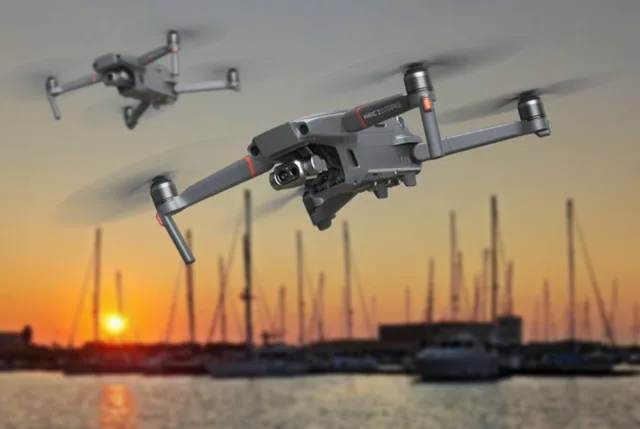
The fight against Covid-19 is also driven by drones: we don't often think about it, but in the global fight against the pandemic these devices have a lot to offer.
· 3 min read
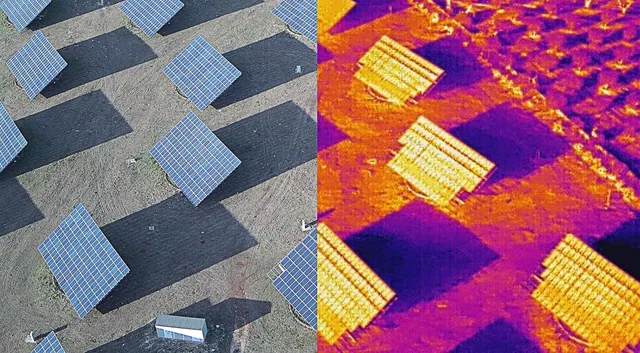
Until a few years ago, when drone technology was not yet an integral part of technological innovation in the most diverse fields, even thermographic inspections...
· 4 min read
🍪 Cookies on AerialClick
We use technical cookies, which are necessary for the site (cart, login). With your consent we also use marketing cookies (Meta) to measure campaigns and show you relevant ads. You can change your mind at any time from "Cookie preferences" at the bottom of the page. Cookie policy