

Processing software: is it necessary for a drone pilot?
Ever since the first quadcopters on the market used only a GoPro as a payload to shoot video, without relying on a proper system of...
· 3 min read
Archive article. Article from 2016: since 31 December 2020, European rules (EU Regulation 2019/947) apply in Italy, and the information on SAPR, certifications and certificates described here is no longer in force. Read which certificates you need today
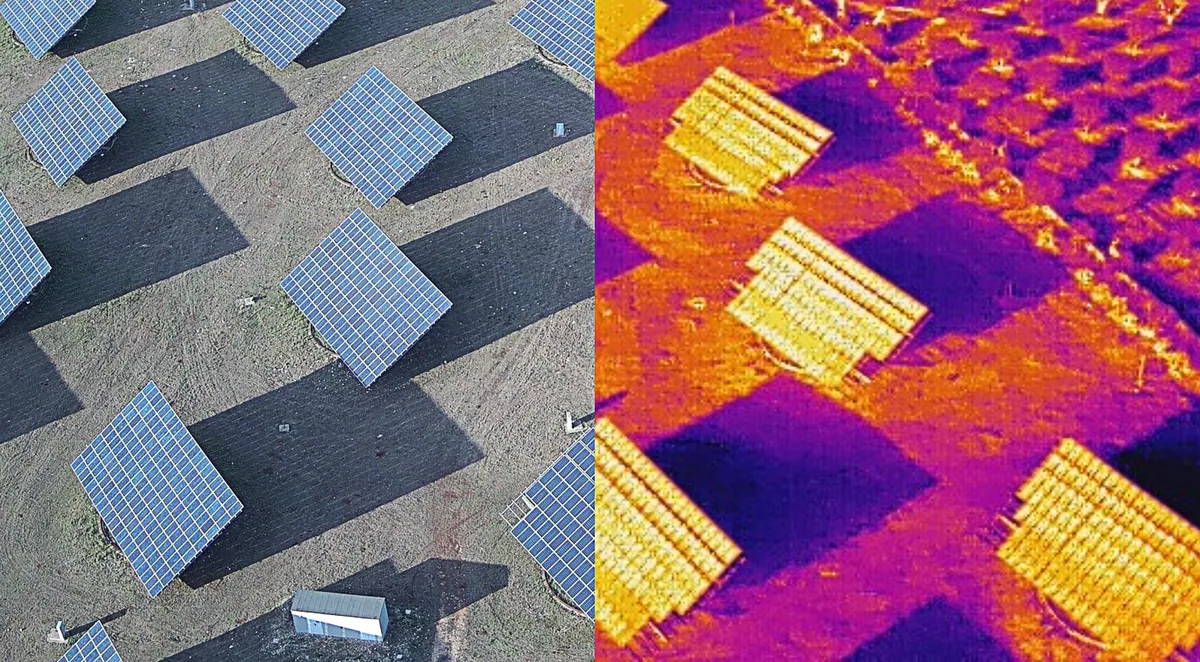
Until a few years ago, when drone technology was not yet an integral part of technological innovation in the most diverse fields, thermographic inspections were also among those activities that were costly in terms of money, time and workforce.
To inspect in a non-invasive and non-destructive way the condition of a building, solar panels, piping and electrical systems, the state of old industrial sheds to be reclaimed, etc., cranes, lifting platforms (with significantly higher levels of danger for the operator), poles and ground-based IR camera inspections were used, operated by dedicated personnel.
For many of this equipment, especially for historic buildings in urban centres but not only, it is necessary to request and obtain (and pay for) authorization to occupy public land.
All of this required:
We use the past tense, but in fact many companies still carry out thermographic inspections in this somewhat archaic way; the paradox is that a technology as sophisticated as IR is a poor match for the outdated support equipment.
We already explained this in detail in this article, but to sum up, drones, and in particular those designed for technical activities such as mapping and thermal inspections:
Suppose you need to inspect an old abandoned building to be renovated. Before quoting and planning the works, you need to understand the condition of the ground, the condition of the load-bearing walls, where and whether there are critical areas, and possibly diagnose subsidence and problems in the renovation.
Well, with a drone it is possible to:
It is an activity that, in just a few steps, greatly revolutionises the world of inspections, so much so that surveyors, engineers and various technicians in the construction sector choose to take courses with ENAC-recognised bodies to become certified UAS operators and learn to carry out inspections with drones (if you are interested, ask us for more at info@aerialclick.com )
It is not just a matter of an infrared camera; the differences are much more complex and concern the engineering and design of the machine itself: unlike other drones, designed for other and different professional purposes, drones for thermographic inspection stand out
The propellers and frames must also be different and lightened.
In this figure we illustrate, using our Phantom 2, some features of the best drones for thermographic inspections.
This is certainly one of those sectors undergoing a sudden and epoch-making change that will transform the speed, quality and safety of this type of work, creating new professions or increasing the capabilities and potential of existing ones.
Selected by our staff based on the topic of the article. Not sure which one to choose? Ask us for advice.
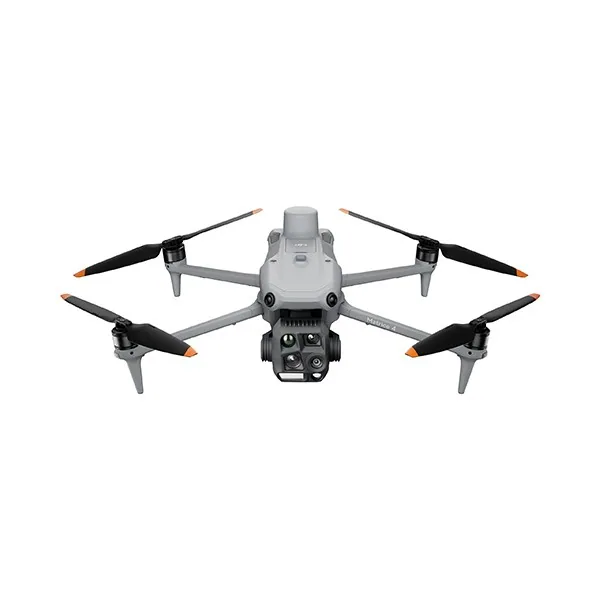
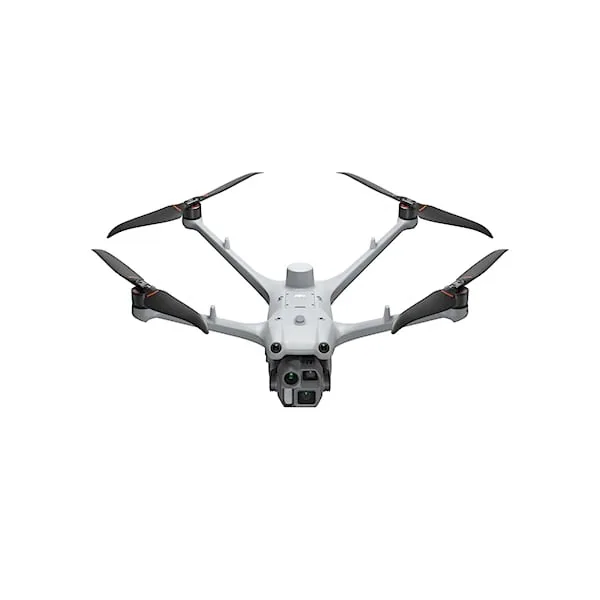

We help you choose the drone, sensors and software based on the job to be done, with training and after-sales support. We usually reply within one business day.
Ever since the first quadcopters on the market used only a GoPro as a payload to shoot video, without relying on a proper system of...
· 3 min read
Anyone who loves drones and devotes much of their day to them knows that training is essential to live alongside these highly technological machines.
· 3 min read
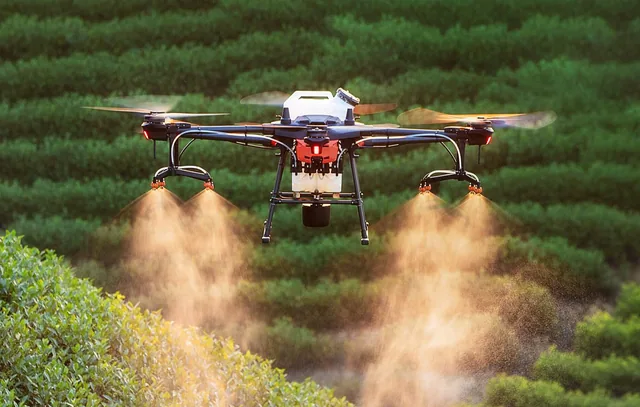
How next-generation engineers and agronomists can map their land and enhance their harvest.
· 3 min read
🍪 Cookies on AerialClick
We use technical cookies, which are necessary for the site (cart, login). With your consent we also use marketing cookies (Meta) to measure campaigns and show you relevant ads. You can change your mind at any time from "Cookie preferences" at the bottom of the page. Cookie policy