
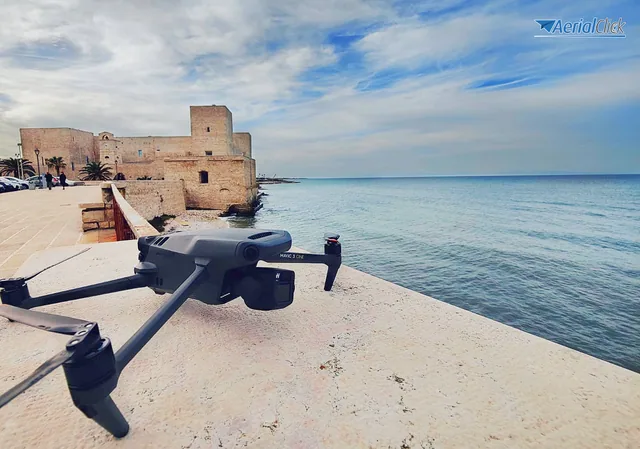
Cinema and aerial filming: the 3 reasons for a new love
New expressive frontiers for filmmakers, especially the younger ones You don't need La Grande bellezza , fresh from winning the Oscar for best foreign film, to...
· 3 min read
How do you become a professional photographer after years as an (expert) amateur? A few small practical tips for you.
Photography is a demanding and expensive hobby.
Practice must go hand in hand with study. And study and practice must be accompanied by considerable expenses for equipment, maintenance and new products arriving on the market.
That is why many photography lovers who have practised it for years for pleasure and passion would like to capitalise a little on this activity and on all their years of experience, and sometimes sacrifices. But often they don't know where to start, because, as we said recently, being a good photographer does not automatically mean knowing how to hold your own in the market.
Let's look together at 5 ideas to get started:
Working doesn't just mean (and certainly not right away) invoicing. It is also an attitude that you gradually begin to adopt towards what, until the day before, was just an ambition, an interest, a hobby.
Every time you take a shot, think as if you were doing it for a paying client. Every time someone asks if you are a "photography enthusiast", answer that you do it professionally. Other people's attitude will change too.
When you believe in it yourself, it will be easier to appear credible to others as well, and in the market credibility is extremely important.
Still in terms of attitude and approach to things and new developments, it's worth saying that if until yesterday you worked on the little table in your father's basement, kept your equipment on a shelf in your bedroom, or stored your shots on your computer desktop next to the folder "cute kitten videos", you can't do that anymore.
It is a matter of organisation and mental space, not just physical space.
Note: we didn't write "communicate it on social media" but WITH/THROUGH social media. A social network is a complement in means and manner, not in place. Let me explain better: it's not enough to write on Facebook or on your Twitter profile «I'm a photographer! I've opened a VAT number as a photographer or to write occupation 'photographer'» in your settings (also because anyone with a reflex camera does that last thing these days).
It becomes necessary to create pages and accounts for your own business, perhaps linked to your personal accounts but not the same ones.
Social networks must be managed differently depending on the type of account and on who manages it. If you consistently post information about your business and about photography in general, if you share content from other amateurs or professional photographers and follow a few other small tips, within a short time (a few months if you rely on a specialist, a couple of years if you do it yourself consistently) you can become a point of reference for many followers in your sector (and thus increase clients and revenue).
(You might also be interested in the article Photographers: 7 tips for managing social media)
Now the painful part: investing money (because if you are a good photographer it means you are already an expert at investing time). Every photography lover knows well what it means to spend money on equipment, because it is not a zero-cost hobby. But to take off as a business you also need to invest in communication, training and business studies.
Studying will no longer mean only buying books on digital or analogue photography or manuals on the effects of black and white. You will have to take courses for micro-businesses or buy manuals that cover the subject and put into practice what they say. You will have to study what SWOT analysis, brainstorming, business plans, etc. are.
Also invest in trips to attend industry trade fairs: in that case you can visit new places to take new photos but also build contacts with your new colleagues.
From now on you will have to march at least 5 years ahead of amateur photographers! If an amateur photographer waits for the latest novelty in their field to come out before buying it, those who work and live on photography must find out what will be on the market in their country over the next 3-5 years and start immediately to study, learn about and buy (if possible) these new products. Professional photographers, for example, have had to learn for several years already about the world of drone technology and how drones would evolve to become central to the photography business.
(You might like to learn more about the SAPR Courses)
International trade fairs can be very useful for this. It is not clairvoyance but foresight, which is indispensable for any type of business.
Selected by our staff based on the topic of the article. Not sure which one to choose? Ask us for advice.
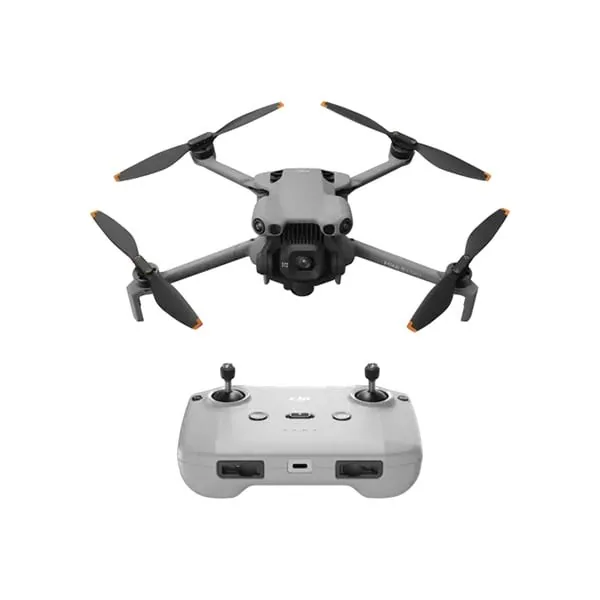
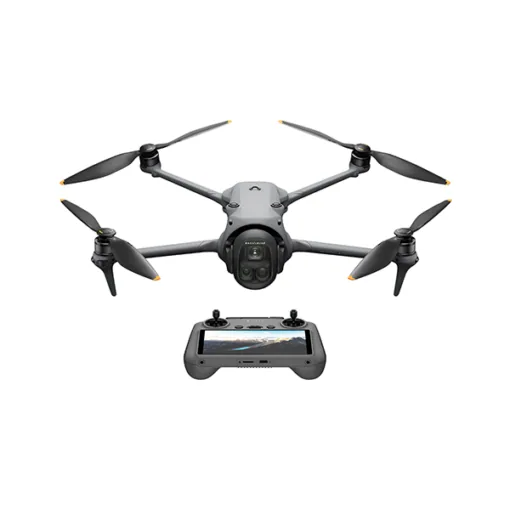
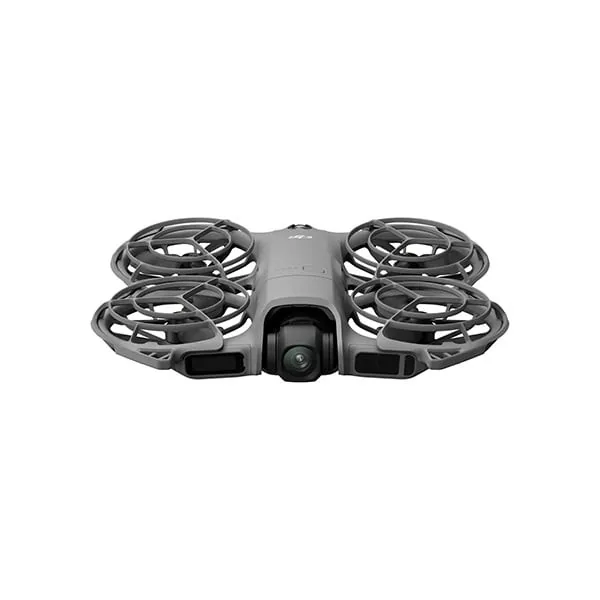
We are an authorised DJI reseller and carry the main professional brands: we will advise you with no obligation, also on WhatsApp.
Go to the shop
New expressive frontiers for filmmakers, especially the younger ones You don't need La Grande bellezza , fresh from winning the Oscar for best foreign film, to...
· 3 min read
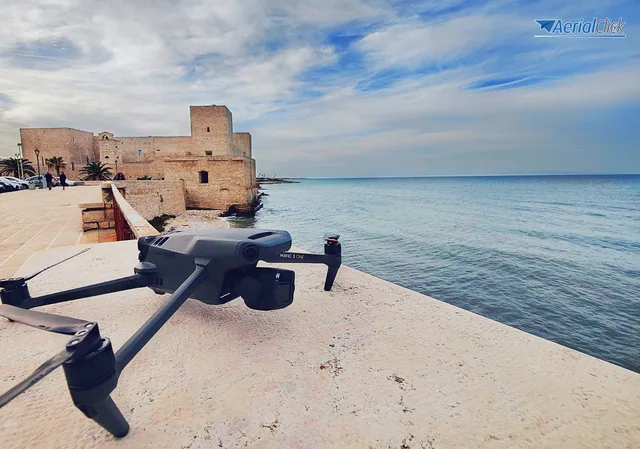
Drones, used in the field of aerial filming , represent a true revolution of recent times.
· 3 min read
Today we tell you how to turn them into a directing tool A few months ago we had the chance to talk on the blog of EMC elettronica (on which we have been for a while...
· 3 min read
🍪 Cookies on AerialClick
We use technical cookies, which are necessary for the site (cart, login). With your consent we also use marketing cookies (Meta) to measure campaigns and show you relevant ads. You can change your mind at any time from "Cookie preferences" at the bottom of the page. Cookie policy