
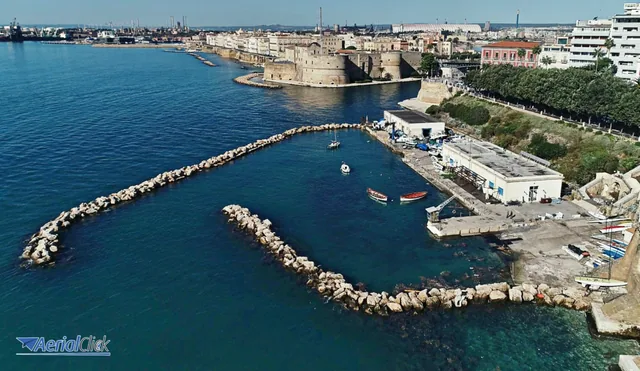
7 ways to start earning right away with aerial photography
Let's find out together how and where to sell your photos and who to contact to sell your shots, depending on the equipment you use.
· 6 min read
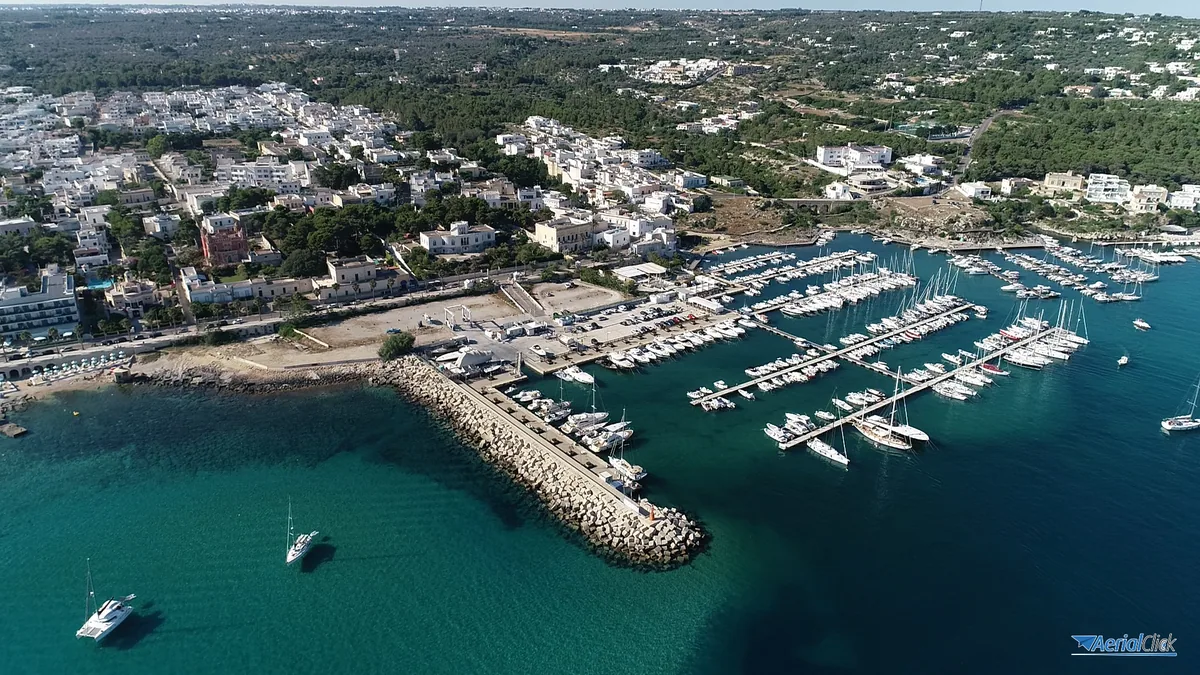
#5 tips to get the best out of your shots from above.
If you are a photography enthusiast or a professional photographer, chances are you have also ventured into aerial photography, both because clients often ask for it (companies needing promotion, weddings, special shoots, etc.) and because it is a field that offers a lot of inspiration and satisfaction.
But aerial photography is not just a matter of an "elevated" position relative to the subject or subjects you want to capture.
If you have ever wondered what sets your shots apart from those of great professionals who sell enormously and enjoy great success (from Oleg Oprisco to the photographers of National Geographic), know that the difference does not always lie in talent, nor always in the equipment used.
There are, in fact, techniques used by great photographers, honed over years of experience, that can truly change the look of your aerial photographs, whether you shoot them from a drone, with a telescopic pole or from a vantage point.
Today we try to give you some of these ideas and techniques:
A photograph, especially with a technique as visually complex as aerial photography, involves more than just heading out with the right equipment and waiting for the perfect shot.
You need to plan your route and already have in mind which subject interests you most and at which moment it truly interests you. This applies to documentary photography as well as to landscapes, and above all to urban and artistic shots.
Just as a good aerial video needs a storyboard, it is important to sketch on paper the type of shot you want to take and the type of moment you are waiting to capture.
Speaking of video, also read
If you take your aerial photos with your drone's images, you should know that professional models let you plan a flight path, allowing you to preset the area to fly over and focus more on the effect you want to give the shot.
Alongside planning, it is useful (I would say essential) to use concept maps.
But what are the concept maps of a photo or a series of photos? Let's find out together:
Taking a photo or a series of documentary photos is not the same as taking artistic shots. The needs are different and go well beyond the technical specifications. Each type of photo must convey different impressions, emotions and a level of interest that varies from audience to audience (an ornithologist looking at photos of the birdlife of a nature park will not have the same point of view and will not look for the same things as an interior designer searching for the right images to print for the interior of a fashionable shop).
So, before organizing the stages, your concept map must go through the answers to these questions:
Based on this map, you will start the planning.
If your shots are of a geographical area (as is the case in 70% of aerial photos), it is important to know the territory you are going to portray.
Besides scouting the shooting area, look online for other photos of the territory, choose the ones you like most and take them with you (so that you can plan shots able to 'compete' with the best ones online).
Look in the local stationery shops for the most popular postcards and try to compete with them.
If possible, stay at least 24 hours in the area you want to photograph, so you can absorb the places that give you the emotions you can translate into photography, or so you can sense which views are the most loved and showcased.
Once the set is ready, also prepare yourself mentally for long waits.
Whether you are using a drone or a telescopic pole, record an HD video of the same framing for hours, changing the focus and settings. At the end of the day, choose the frames you like most and decide which ones to keep.
Do you have the right tools for aerial photography? An elevated position alone is not enough to get the best results.
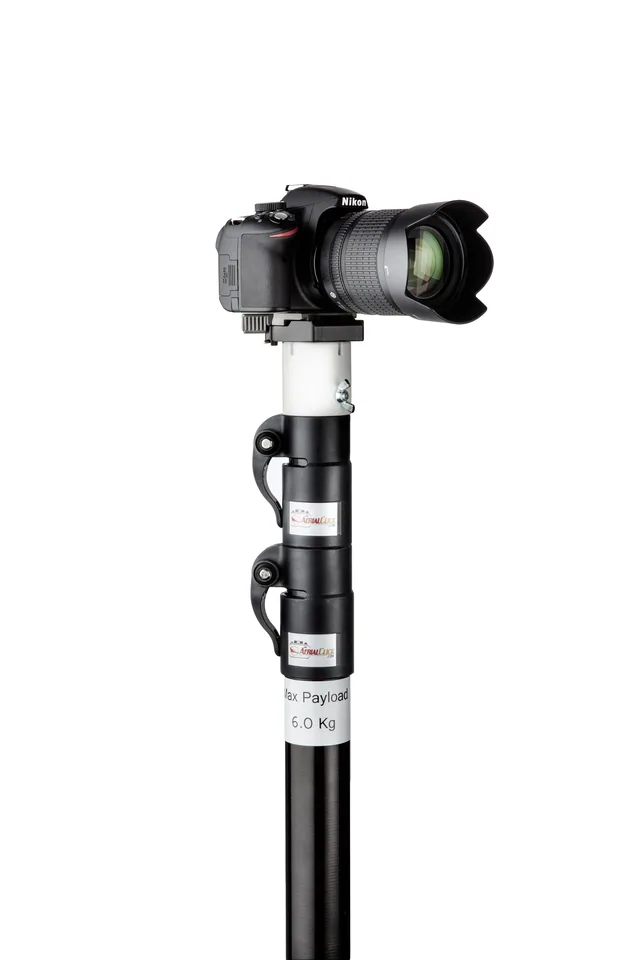
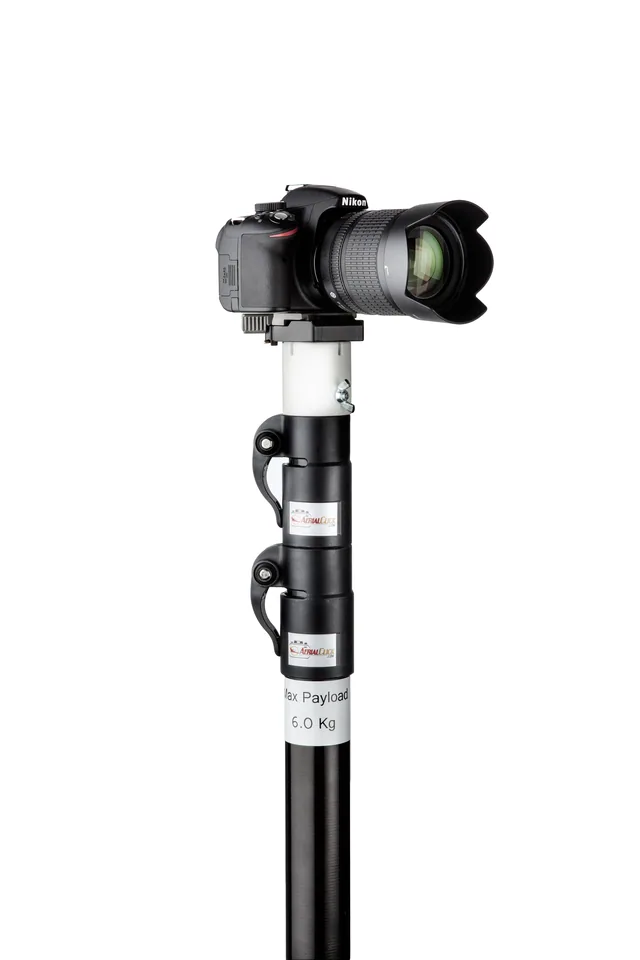
A drone is not necessary (and if you use a drone, you need certification to fly it and to work as a photographer). The potential you can reach with a telescopic pole, such a lightweight and handy tool for taking beautiful aerial photos, is incredible. Easy to carry, it can be extended according to your needs without having to ask for public land occupation permits (as would be the case for cranes and lifts) and without the need for licences and certifications, as with drones.
Also take inspiration from the work of others, and keep an eye on visual social media to understand which images stir the most emotions, so you can move toward your audience's tastes.
And you, what tricks do you use for your aerial shots?
Selected by our staff based on the topic of the article. Not sure which one to choose? Ask us for advice.
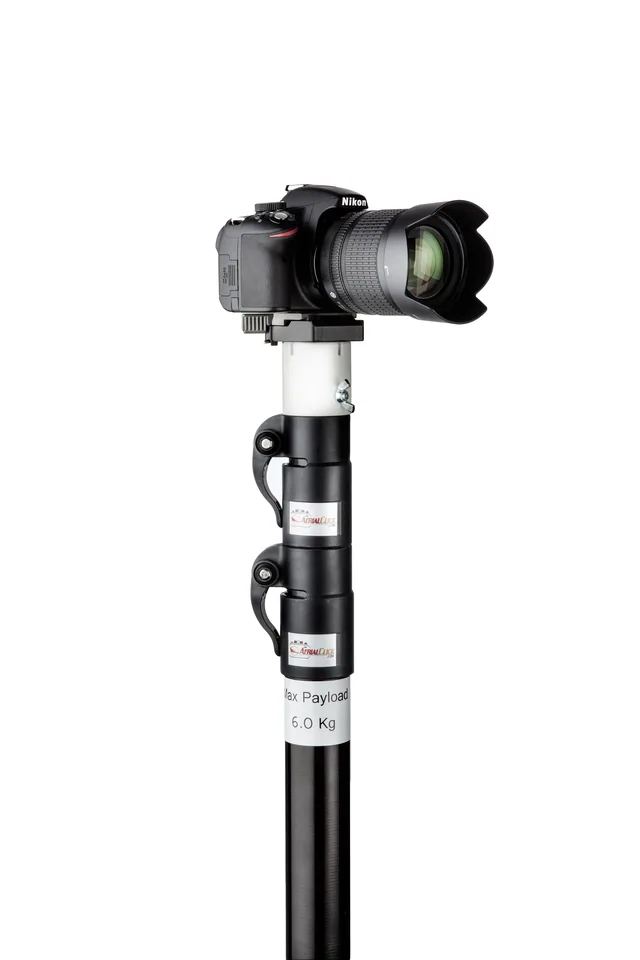
We are an authorised DJI reseller and carry the main professional brands: we will advise you with no obligation, also on WhatsApp.
Go to the shop
Let's find out together how and where to sell your photos and who to contact to sell your shots, depending on the equipment you use.
· 6 min read
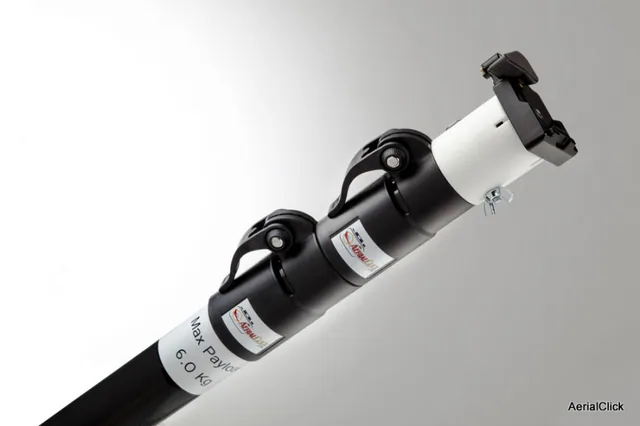
Fibreglass poles for shots from unusual angles and for aerial photos were our first flagship product and we have never given them up, for several reasons.
· 3 min read
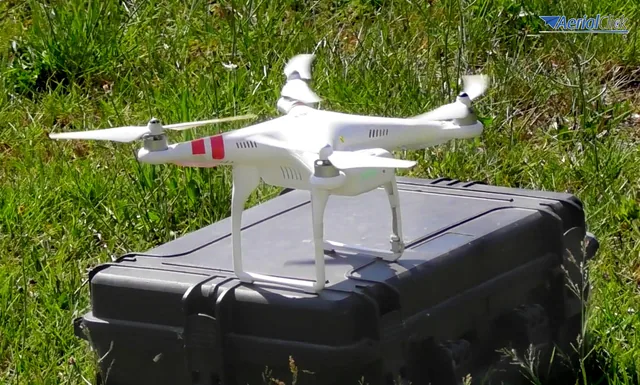
The job and title of 'journalist' has many facets; those who study journalism or have just started down the path of this profession (...of faith) have...
· 4 min read
🍪 Cookies on AerialClick
We use technical cookies, which are necessary for the site (cart, login). With your consent we also use marketing cookies (Meta) to measure campaigns and show you relevant ads. You can change your mind at any time from "Cookie preferences" at the bottom of the page. Cookie policy