For the uninitiated, the term “drone” covers all types of latest-generation flying devices, with no real distinction between fixed-wing aircraft and quadcopters.
In reality, fixed-wing drones and quadcopters are two completely different technologies, with different characteristics and capabilities.
These should be understood in order to work out which type of drone is best suited to the type of work to be carried out.
Consider the work of a photographer who uses fixed-wing drones in Brindisi and wants to carry out high-quality photographic surveys. Such surveys can only be considered high quality if they are carried out in compliance with the rules for the safety and protection of people and property on the ground.
Fixed-wing or quadcopter? Some necessary premises
When evaluating the technologies behind the fixed-wing drone and the quadcopter, you first need to be clear about the objective to be achieved, so as to find the vehicle best suited to carrying the sensor that will capture the images.
For photogrammetry operations, particular care must be taken when choosing a UAS (SAPR) or an appropriate sensor.
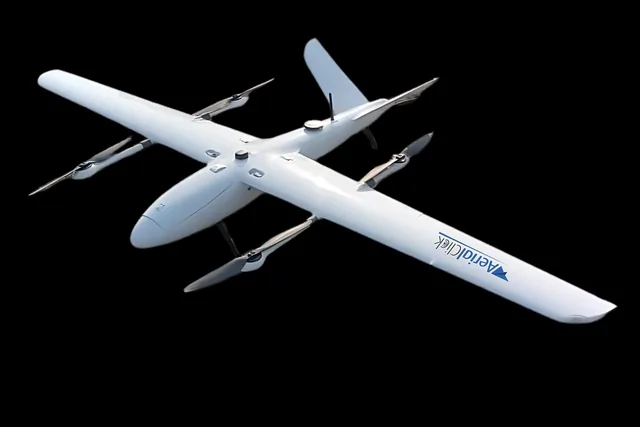
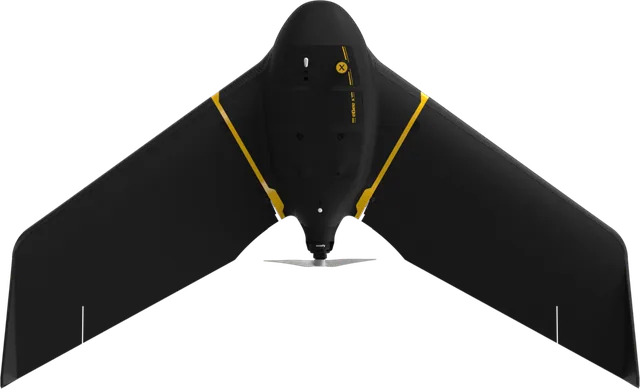
When comparing the two technologies, it is important to know that a fixed-wing drone can fly farther and faster on a single battery charge than was possible just a few years ago. Furthermore, these types of devices, such as the UAV Birdie, are complete in themselves, come with software, operate precisely and accurately, are intuitive and easy to use, and do not require any special skills.
These are features not to be overlooked, given that they have an enormous impact on the ability to collect data quickly and efficiently, with all the resulting consequences in terms of the quality of the photographic service you intend to deliver.
According to recent studies, operators appear to be more inclined and willing to use fixed-wing drones than the more popular professional quadcopters.
In particular, the deciding factors appear to be the following:
- Speed;
- Cost;
- Better remote mapping capability;
- Better linear mapping capability.
The studies were carried out several times using different cameras, in order to make sure that the advantages observed were due not to the type of camera used but solely to the fixed-wing drone platform.
Fixed-wing: how the way surveys are done is changing
It is well known that fixed-wing drones have changed the way photographic surveys are carried out.
But looking at the features of the latest-generation remotely piloted gem produced by FlyTech, fantastic for photogrammetry surveys, the level reached is easy to understand.
We are talking about the UAV Birdie, the device that today is able to exploit the most natural aerodynamic characteristics of fixed-wing drones.
The top of the range for tackling long-range flight missions and significantly overcoming the flight-time limit typical of these latest-generation products.
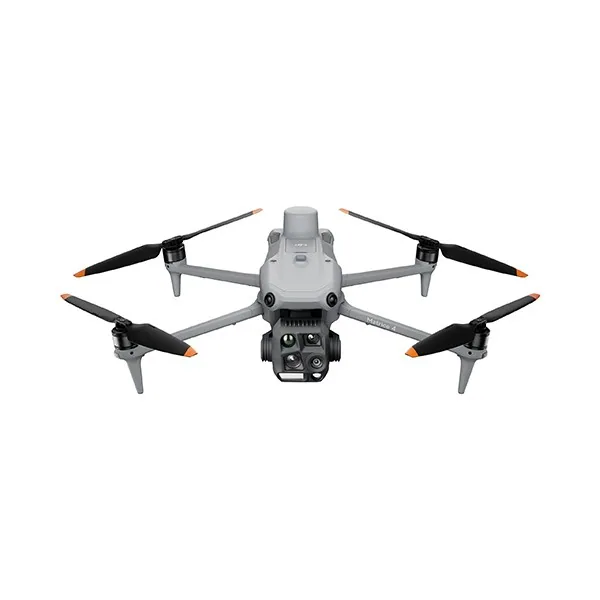
The quadcopter nevertheless remains a solution not to be discarded for those who are after a fast learning curve, small-scale surveys, and an investment that some consider better and longer-lasting.
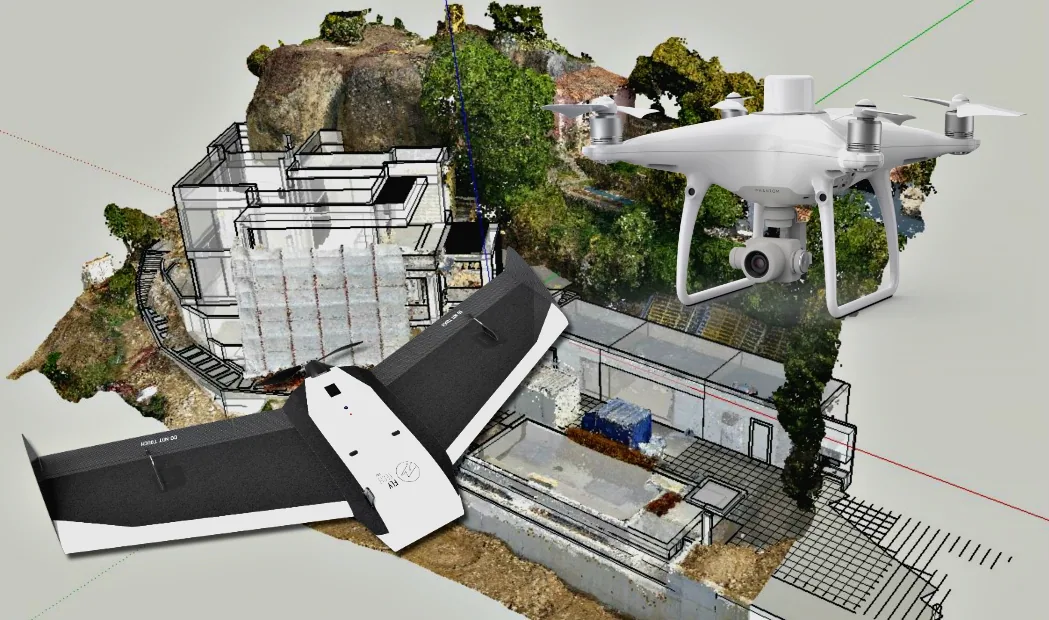
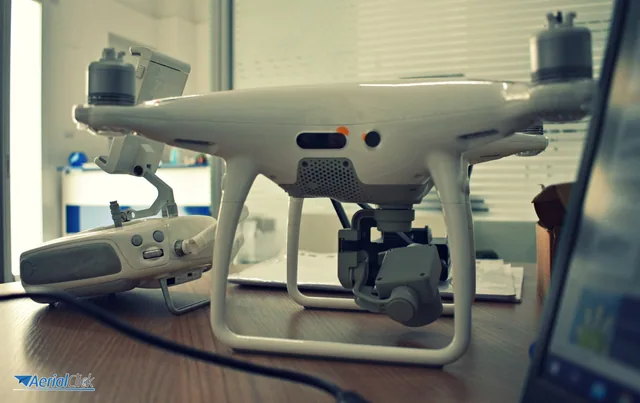
Just think, by way of example, of the DJI Phantom 4 RTK, the quadcopter built around a 20-megapixel 1" CMOS sensor.
In conclusion, one fact stands firm: with proper planning and a minimum of configuration, it is possible to obtain perfect images even with fixed-wing devices, which until a while ago were considered second choice. This applies in all sectors, whether surveillance, construction, land monitoring, agriculture or anything else.