
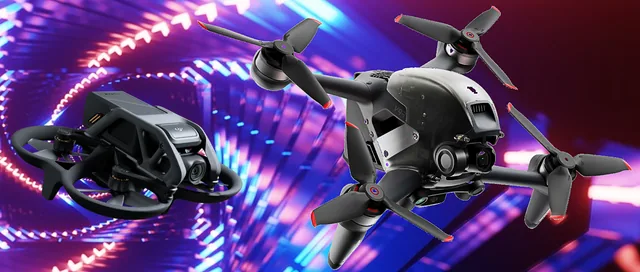
DJI FPV or Avata: which one to choose?
With the launch of Avata, DJI has put its first Cinewhoop drone on the market. But between the DJI FPV and the Avata, which of the two drones is better?
· 7 min read
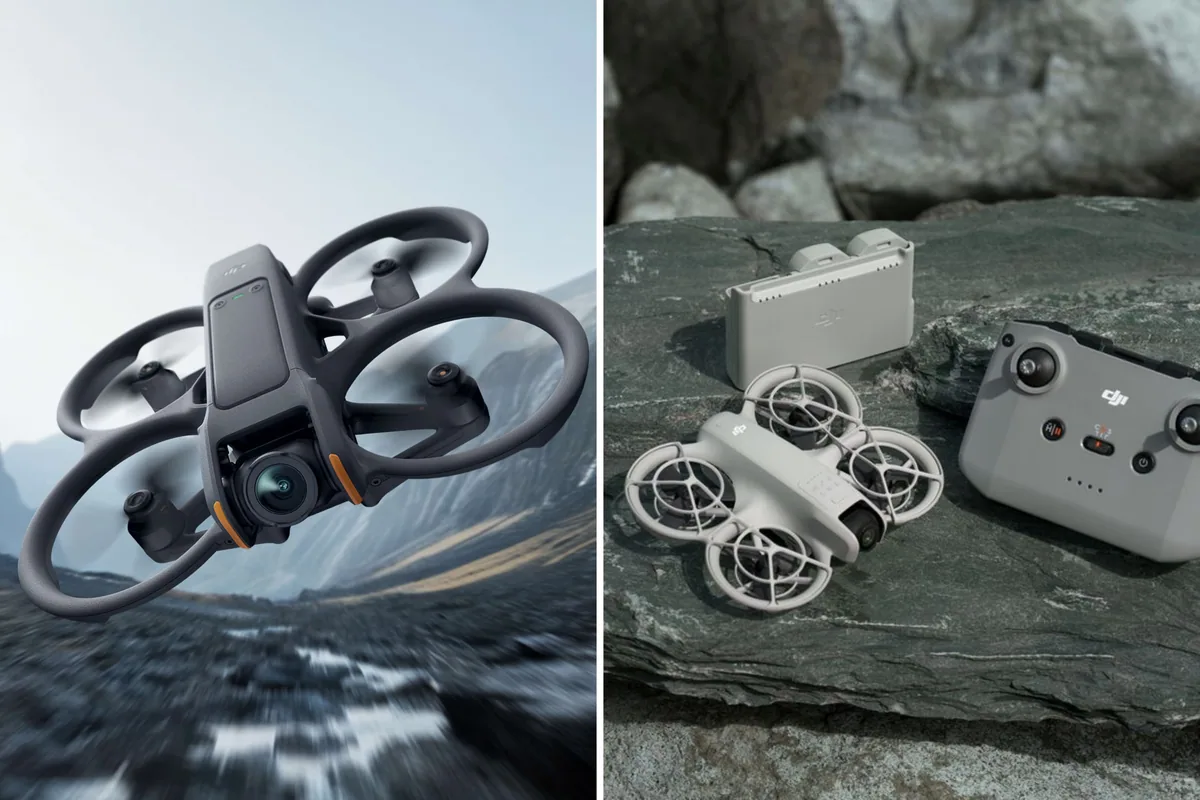
With the evolution of FPV (First-Person View) technology, DJI has recently launched two models that have captured the attention of drone enthusiasts: the DJI Avata 2 and the new DJI Neo.
Both drones offer an immersive flight experience and are different solutions for different needs, differing in size, performance and features. In this article, we compare the pros and cons of each model, analysing the main differences and assessing value for money, to help you identify and choose the drone best suited to your needs.
Design and weight
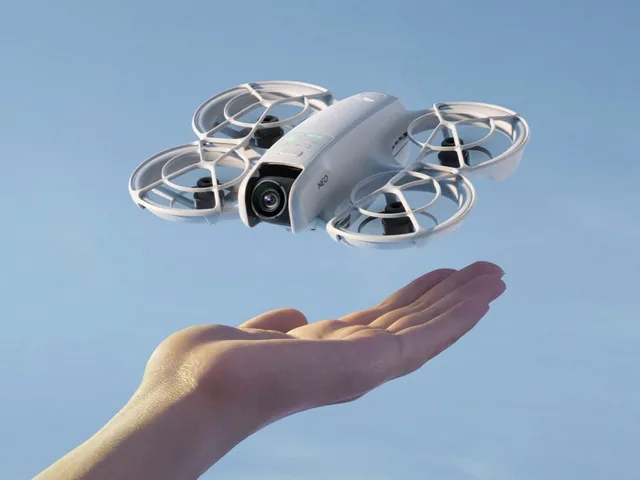
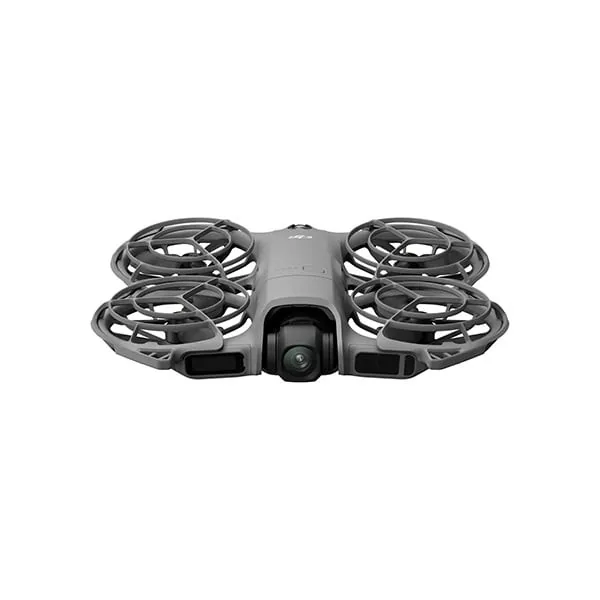
One of the strengths of the DJI Neo is its compactness and lightness: weighing just 135 grams, it is the lightest drone ever made by DJI, ideal for those looking for a portable device that is easy to carry and perfect for people always on the move, such as cyclists or hikers. Moreover, since its weight is under 250 grams, the DJI Neo can be flown even without a licence.
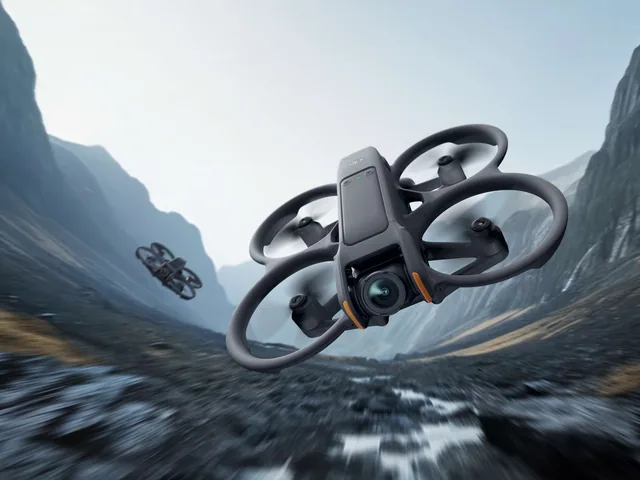
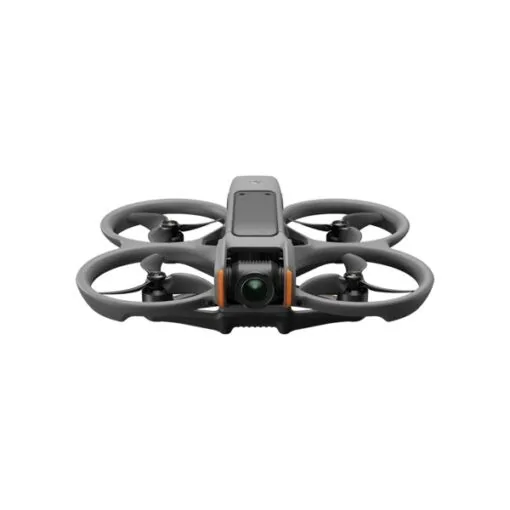
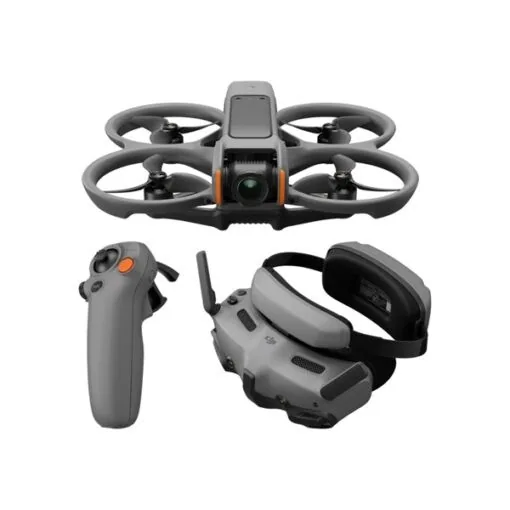
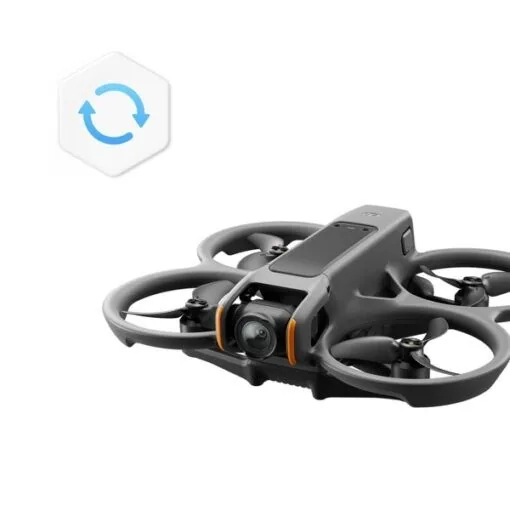
The DJI Avata 2, on the other hand, is slightly larger and weighs about 410 grams: unlike the Neo, it therefore requires a licence to be flown. However, it offers greater robustness and superior build quality, ensuring better resistance to impacts and bad weather and making it more suitable for more demanding contexts.
Camera and video quality
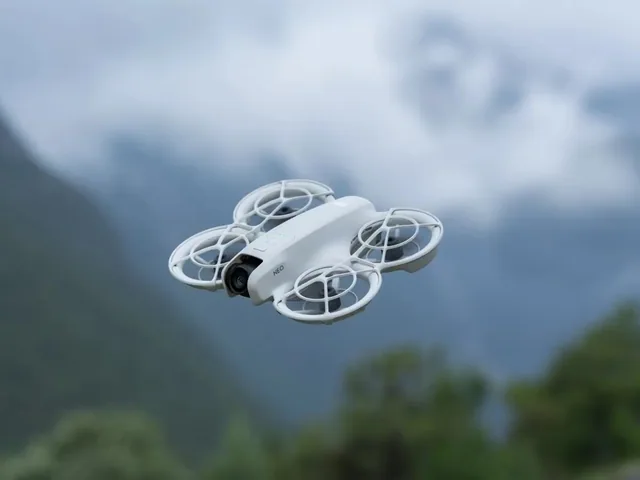
As for video quality, the Avata 2 clearly stands out. Equipped with a 1/1.7-inch sensor, it can take 48 MP photos and record 4K video at 60 FPS, with extremely smooth footage thanks to advanced stabilisation algorithms, even during fast movements or aerial stunts. Image quality is excellent, especially in low light, making it ideal for those seeking top-level performance.
The DJI Neo, while also offering ultra-stabilised 4K video, has a 1/2-inch sensor and takes 12 MP photos. Video quality is still very good, but it does not reach the level of detail and sharpness of the Avata 2, especially in low-light situations. The Neo is therefore better suited to more recreational or amateur use.
Features
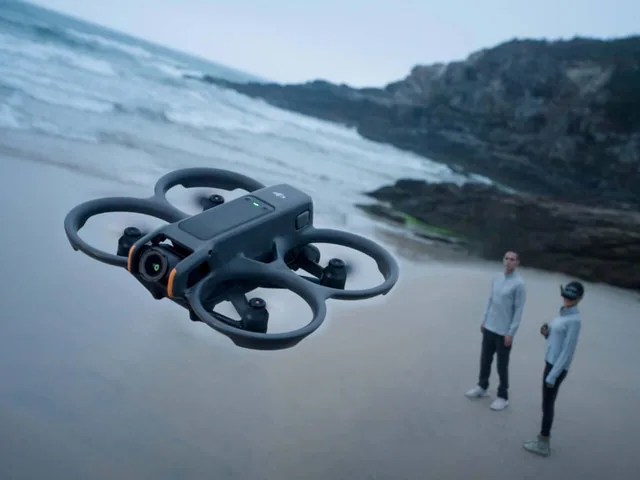
One of the DJI Neo's greatest strengths is its ease of use, made possible by its built-in automated functions. Thanks to AI-based automatic tracking technology, for example, the Neo can follow a moving subject completely autonomously. A further advantage is the ability to take off and land the drone directly from the palm of your hand, without needing a remote controller, offering maximum practicality and simplicity even for less experienced users.
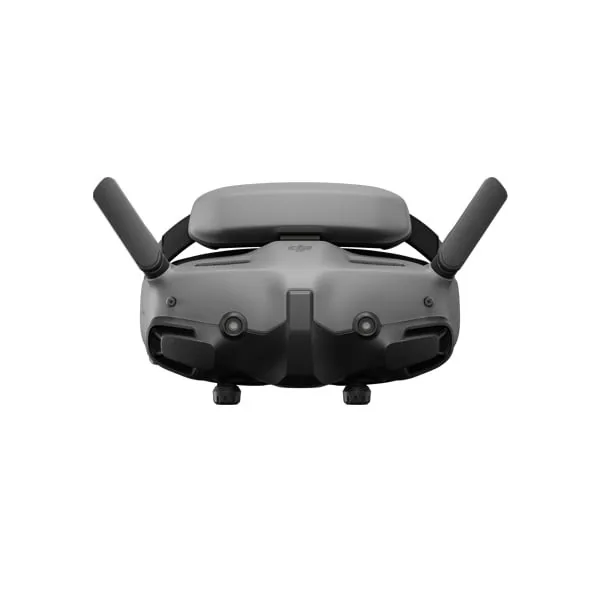
Although the Avata 2 does not have the same automated functions as the DJI Neo, it offers more advanced and precise control during flight. It is designed for experienced pilots looking for a more engaging, fully manual FPV experience, allowing greater customisation of manoeuvres and shots. This makes it ideal for those who want full control of the drone and to create highly professional footage.
Battery life and flight time
The DJI Neo delivers up to 18 minutes of flight time, adequate for short, dynamic shooting sessions. The DJI Avata 2, on the other hand, offers a slightly longer duration, with about 20 minutes per charge. Although the difference may seem minimal, for those operating in more demanding contexts or needing longer flight times, those extra 2 minutes can make the difference, making the Avata 2 a better choice for missions requiring greater operational continuity.
Price and final considerations
The DJI Neo is an entry-level drone at an affordable price, ideal for beginners or for anyone wanting an easy-to-use, highly portable FPV drone. With excellent value for money, it is a perfect solution for users seeking simplicity and practicality without sacrificing too much performance.
On the other hand, the DJI Avata 2, despite its higher price, offers superior performance and excellent image quality, justifying its cost. Although it does not include some of the Neo's automated functions, it is designed for a more experienced audience, such as professional videomakers or advanced FPV pilots, who need more precise control and flawless video quality. Value for money remains excellent nonetheless.
Conclusion
In conclusion, both the DJI Neo and the DJI Avata 2 are high-quality FPV drones, but they target different audiences.
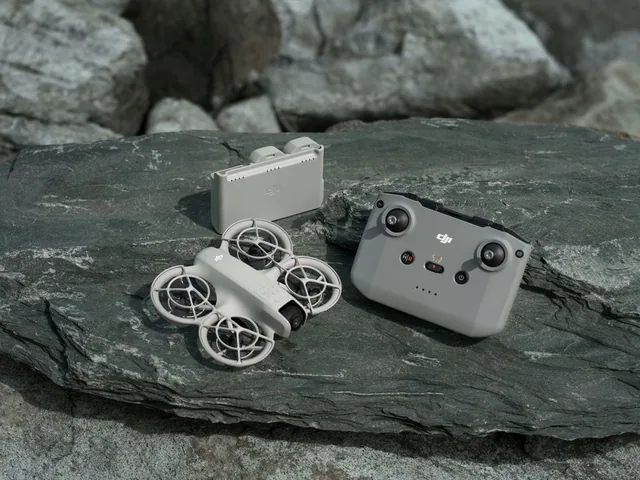
The DJI Neo is the ideal choice for those looking for a compact, lightweight and easy-to-use drone, perfect for beginners or for anyone wanting a portable device with no licence requirement. On the other hand, the DJI Avata 2, with its superior performance, is designed for experienced users or professionals who need greater control and quality in their shots. The choice between the two therefore depends on your own needs and level of experience.
Selected by our staff based on the topic of the article. Not sure which one to choose? Ask us for advice.
We are an authorised DJI reseller and carry the main professional brands: we will advise you with no obligation, also on WhatsApp.
Go to the shop
With the launch of Avata, DJI has put its first Cinewhoop drone on the market. But between the DJI FPV and the Avata, which of the two drones is better?
· 7 min read
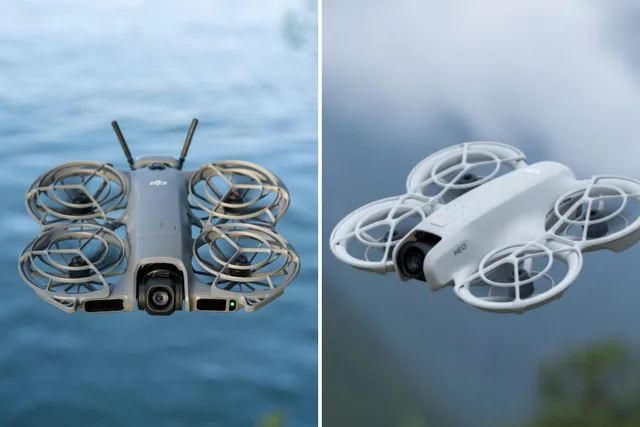
The Neo series was created to offer a simple, intuitive flying experience for those who want to start recording quality content without complications,...
· 3 min read
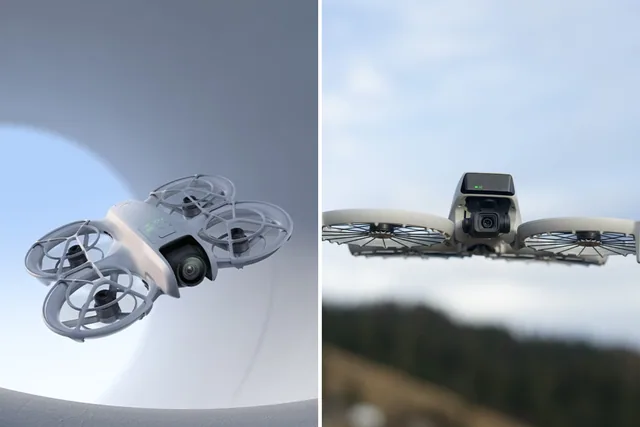
DJI has introduced, just a few months apart, two drones designed specifically to meet the needs of beginner pilots: the DJI Neo and the DJI Flip .
· 4 min read
🍪 Cookies on AerialClick
We use technical cookies, which are necessary for the site (cart, login). With your consent we also use marketing cookies (Meta) to measure campaigns and show you relevant ads. You can change your mind at any time from "Cookie preferences" at the bottom of the page. Cookie policy