
DSM: what it is and what it is used for
The development of specialized software applications has made it possible to tackle and solve complex problems concerning the automation and optimization of many...
· 3 min read
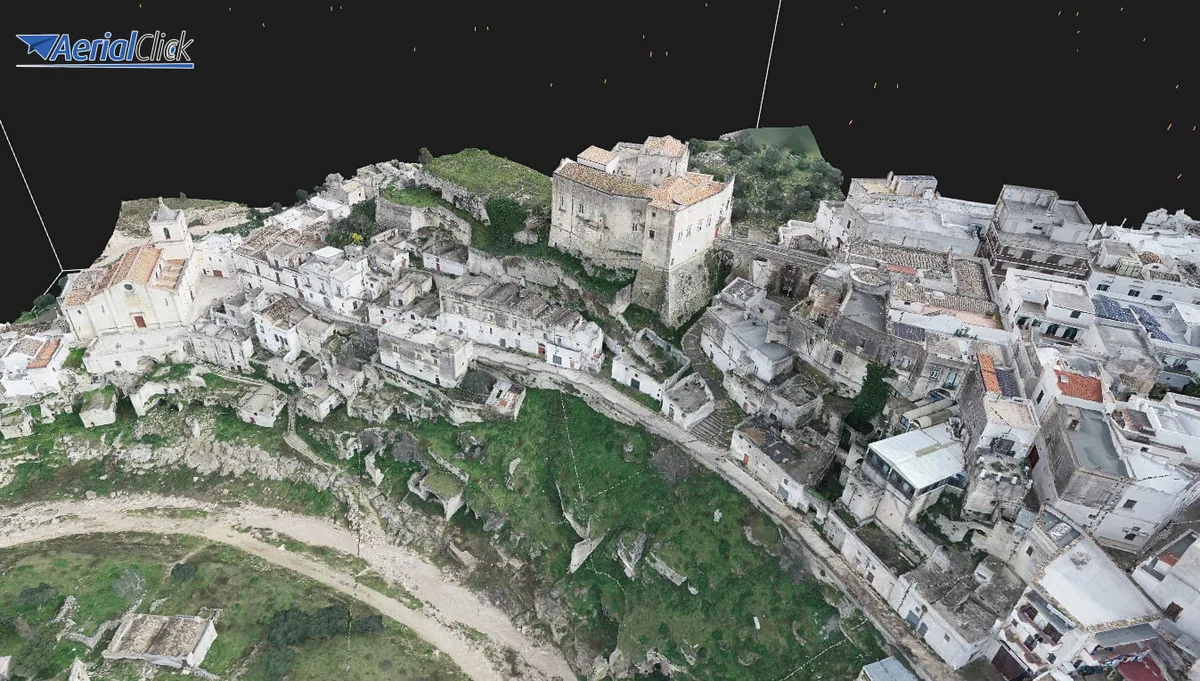
Technology has made giant strides in architectural surveying.
Today it is truly possible to say that the use of cutting-edge tools such as the 3D laser scanner has completely revolutionized the field of architecture.
This is not only because of improvements in the quality of the work, but also because of the more precise data collection made possible during the planning and design on paper of a construction or renovation project.
Quantitatively too, the data obtained is far greater and better detailed in outlines and surfaces, as they are reflected.
How architectural surveying changes with the use of the laser scanner
The principle underlying 3D laser scanning is based on the use of electromagnetic pulses; the laser, in this case, makes possible the amplification of light through the stimulated emission of radiation.
This bounces off the surface of the object it is aimed at.
The sensors on the scanner's receiving surface record this data to create a three-dimensional image. The unified image created by combining the visual data from multiple scans is called a point cloud.
This point cloud provides a 360-degree image for processing that can be viewed from an infinite number of perspectives.
The 3D laser scanner is an extremely valuable tool for collecting all the essential data needed when starting a construction or restoration job, as it makes it possible to obtain information in digital format that can be preserved and stored better and for longer, as well as, of course, shortening work processes.
When we talk about architectural surveying, we believe that the laser scan finds its main application in the construction and restoration of buildings.
However, this is not the only purpose, even if it is the main one.
There are many projects for which the use of this highly refined technology is an added value for many professionals. In order:
The use of 3D laser scanner equipment in architectural surveying also makes it possible to obtain all the information needed to capture the morphology of the structure at its most significant points and to view them in 3D.
By querying the point clouds it is in fact possible to highlight any critical issues that are not always easy to detect with the naked eye. But there is more: direct reading of the building can support what has been assessed visually regarding the working techniques, the structural elements and the materials it is made of, as well as allowing any situations of deterioration to be recorded.
3D laser scanner equipment can also support traditional photogrammetry when the particular lighting conditions are not available.
For three-dimensional modelling, in all those situations where you want to model a large object such as the exterior of a building or a poorly lit area, it could be almost impossible to create an accurate, let alone complete, model of an object or structure without the use of a 3D laser scanner. The accuracy of the scans depends mainly on size, lighting and the ability to obtain the different shooting angles needed for the overlapping images that are essential in a complete 3D rendering.
The advantages of 3D laser scanning carried out with dedicated drones and related accessories are truly many; among the most evident we can find:
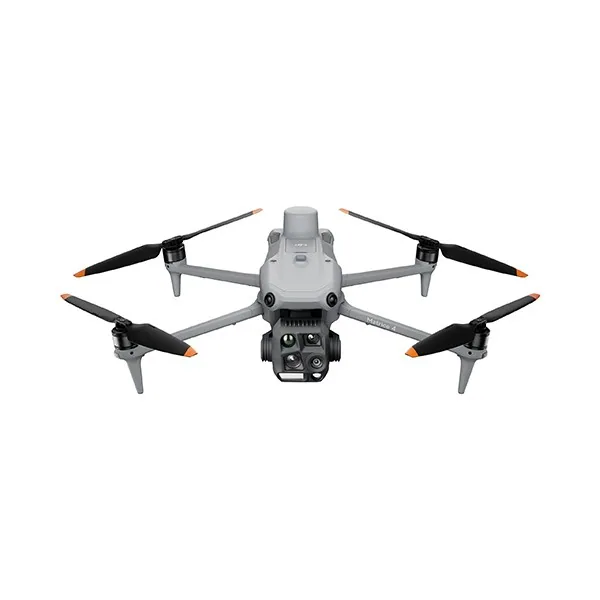
Selected by our staff based on the topic of the article. Not sure which one to choose? Ask us for advice.


We help you choose the drone, sensors and software based on the job to be done, with training and after-sales support. We usually reply within one business day.
The development of specialized software applications has made it possible to tackle and solve complex problems concerning the automation and optimization of many...
· 3 min read
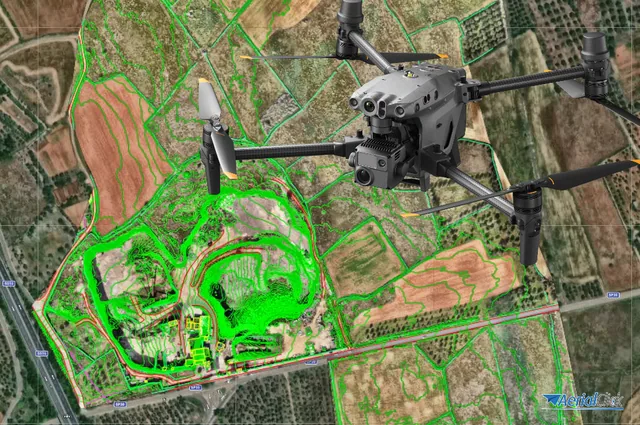
Ever since the first quadcopters on the market used only a GoPro as a payload to shoot video, without relying on a proper system of...
· 3 min read
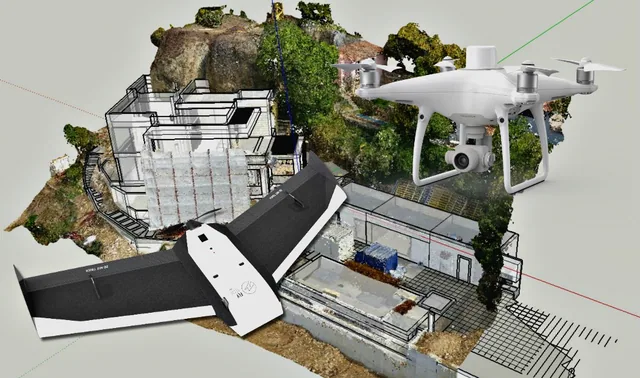
For those outside the industry, the term “drone” covers all types of latest-generation flying machines, with no real distinction between...
· 3 min read
🍪 Cookies on AerialClick
We use technical cookies, which are necessary for the site (cart, login). With your consent we also use marketing cookies (Meta) to measure campaigns and show you relevant ads. You can change your mind at any time from "Cookie preferences" at the bottom of the page. Cookie policy