
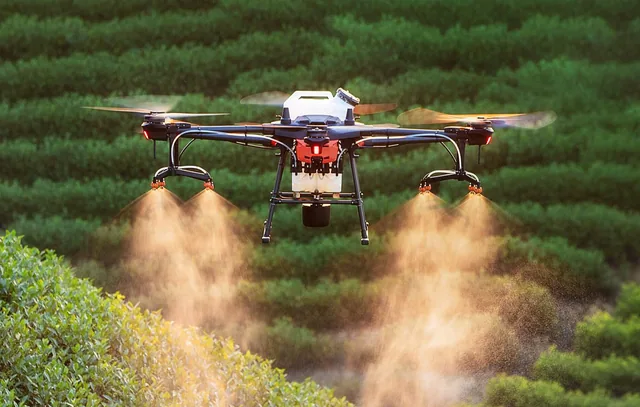
The 3 rules for perfect agricultural mapping
How next-generation engineers and agronomists can map their land and enhance their harvest.
· 3 min read
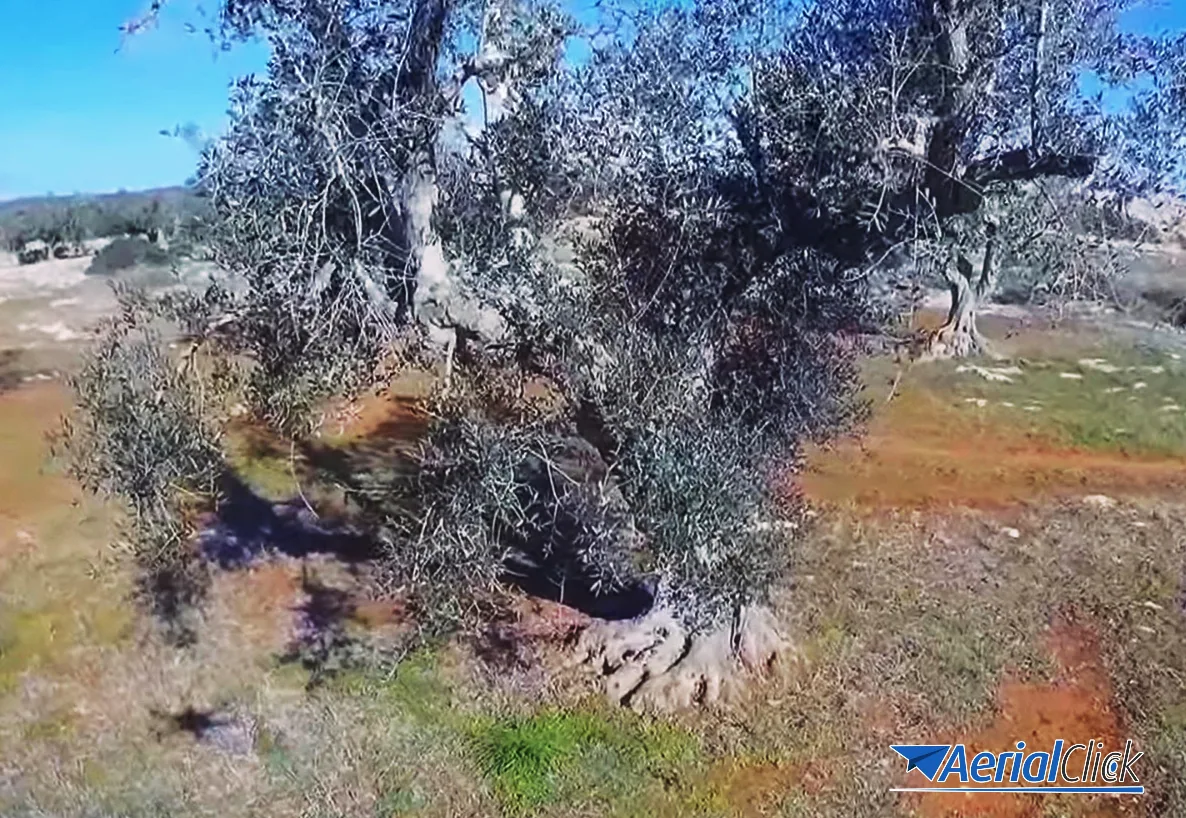
As promised in the previous article, we continue to say something about Xylella and the eradication plan for infected century-old olive trees. The phenomenon began with some trees falling ill in 2013, with consequences that were not only economic and productive but above all psychological and cultural for the growers and the most attentive inhabitants of Puglia, a place where century-old olive trees include specimens over 2000 years old.
The diagnosis given is the now well-known Xylella, a bacterium most likely originating from Costa Rica. As it is not native to Europe, protocols classify it as a quarantine pathogen. The epidemic does not only concern olive trees: the export of grapevine cuttings was immediately banned as a precaution, for example. The Region issues often incautious statements that spread alarmism, and the reports reaching the EU are also partial, leading to reactions such as the blocking of imports of some Puglian products by member states such as France.
It is not certain (in fact, at the moment, according to researchers and local agronomists engaged in defending the olive trees, it is entirely unlikely) that Xylella is the sole cause of the disease, which has in fact been defined as a complex. If we consider that the impoverishment of the soil humus following excessive agronomic exploitation is reported as a contributing cause, it becomes even clearer why the people of Puglia really cannot justify the eradication choice.
However, searching the web turns up a great many alternatives to eradication and curative practices that have given satisfying results on a small scale, which suggests that on a large scale they could bring solutions and improvements or save many more trees and probably also a less dramatic way out of this emergency which, let us remember, is social and not only environmental and industrial.
Let's look together at 3 good practices and proposed solutions.
The Universities of Bari, Foggia and Lecce, the CNR and the Basile Caramia Research Centre in Bari are delivering the first results of a study exploring the possibility of using nanocarriers containing copper ions, zinc ions and copper sulphate, also traditionally used in agriculture, to travel through the xylem vessels and selectively target the bacterium causing the infestation.
Precision mapping carried out with modern technologies would above all have been providential in preventing the spread of the disease.
But it is still possible to use precision mapping techniques to save and rehabilitate the situation. GPS systems and programs such as APS Menci make it possible to have on your own PC a 3D map of a given area, even a very large one, with photogrammetric spectral detection of areas with anomalies.
Through the different colour spectra it is also possible to detect the extent and severity of the anomaly on each tree or plant; moreover, from one month or one week to the next, a simple "drone flight" makes it possible to quickly repeat the survey and detect changes over limited periods, so as to monitor effectively and scientifically the level of recovery, or averted deterioration, of each plant or plantation.
The testimony (with photos too) of a grower from Seclì (Lecce) has gone around the web; he described to several newsrooms how he kept his olive trees from falling ill, located in the "red zone" of the crisis and practically adjacent to a plot where the trees were all infected and heading for rapid desiccation.
He began by clearing the green grass that had grown with the autumn rains, continuing with the cutting of the suckers that had formed on the inner branches of the tree and the shoots at the base of the trunk, then lightly pruning the useless twigs that were closing in the interior.
He thinned the canopy by removing the existing dead wood and, each time, before leaving the field, he burned the waste. The care of each tree took seven hours, and he continued like this for several weeks. At the end of these operations the grower from Seclì collected the ash produced and spread it along the circular line around the olive tree. He continued throughout the winter.
The fresh crumbled and cleared grass penetrated the soil and became fertiliser containing nitrogen, phosphorus and potassium while the ash turned into an excellent fertiliser as it is rich in potassium, phosphorus, calcium, magnesium, iron, copper and boron.
Selected by our staff based on the topic of the article. Not sure which one to choose? Ask us for advice.
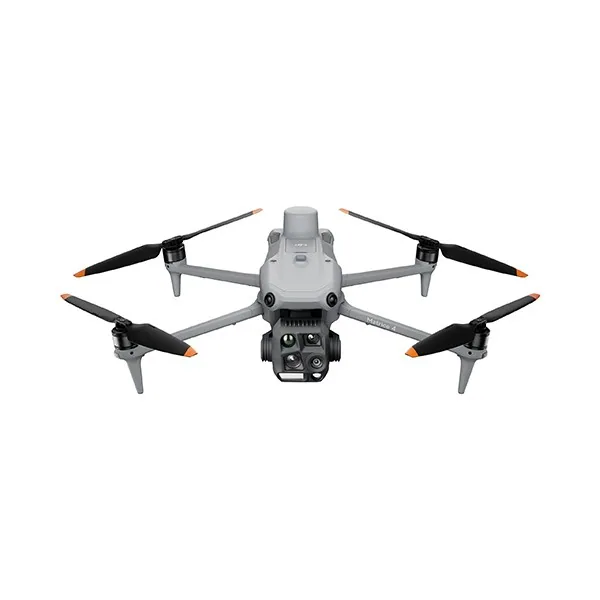



We help you choose the drone, sensors and software based on the job to be done, with training and after-sales support. We usually reply within one business day.
How next-generation engineers and agronomists can map their land and enhance their harvest.
· 3 min read
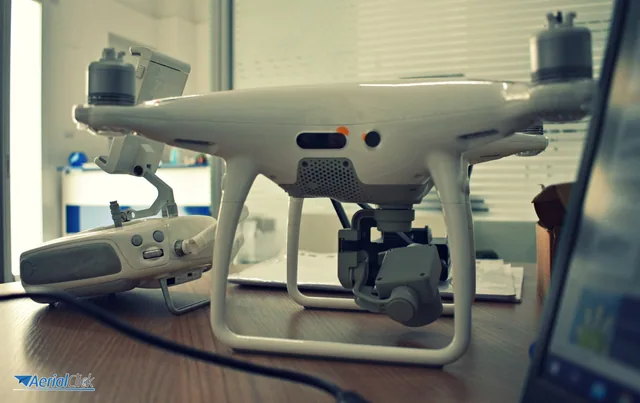
A few years ago, mapping a more or less large area was extremely complex. It required hours and hours of presence on the construction site (even in the presence of...
· 2 min read

In this article we will explore how drones are transforming various sectors and analyse the challenges and opportunities linked to their adoption.
· 4 min read
🍪 Cookies on AerialClick
We use technical cookies, which are necessary for the site (cart, login). With your consent we also use marketing cookies (Meta) to measure campaigns and show you relevant ads. You can change your mind at any time from "Cookie preferences" at the bottom of the page. Cookie policy