
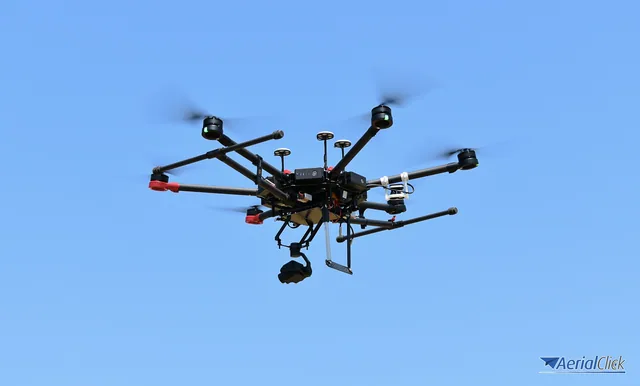
Drones in agriculture: which cameras to choose?
The drone in agriculture is certainly one of the most revolutionary innovations of recent years.
· 4 min read
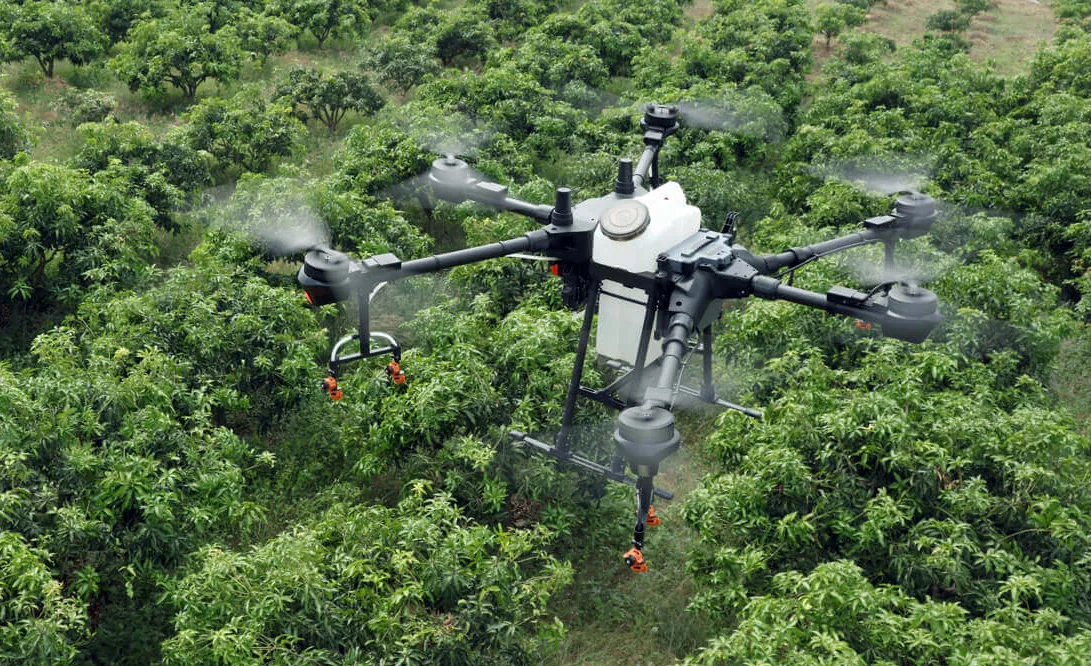
This is the year in which, from Italy to the rest of the world, we will hear about solutions for feeding the planet and, if possible, not making it ill (any more, again and once more).
EXPO Milano, about to start very shortly, is only the most powerful input that, despite its sometimes contradictory messages, will bring this topic to technical tables and conferences at every latitude of the world. There is no doubt: this year, everywhere and every month, there will be talk of nutrition, production ethics, consumption ethics, and solutions and prevention for the many agro-environmental disasters caused so far.
A brief preliminary reflection:
The contradictions in Expo's communication are only a mirror of what large-scale agri-food production has been over the last 40 years, so let's not shoot the Red Cross.
Placing the need for ethical production, in the face of the genocide caused by refined foods, obesity and cardiovascular disorders in the West, alongside the ads of main sponsors who never wanted to hear about feeding the planet - properly - is only the result of what consumers too choose every day: we have created a world in which, to talk about healthy food, we have to ask for money from those who made us ill (or whom we allowed to make us ill). To talk about how to feed the planet, we need the contribution of those who got the green light to starve it (a green light given by us consumers, of course).
But alongside large and complex industrial players there are many others, some younger, some older, often underestimated or unknown to most. There is chemical and technological research aimed at helping agriculture and production, which has had the chance to witness first-hand the damage caused by the consumption of prosperity.
We want to talk, because it is never done enough, about the modern technological systems that feed the planet and take care of it.
A name that is very hard to remember, so what is it about?
They are highly intelligent systems that combine remote sensing, used to rationalize the use of irrigation water and fertilizers, with ground checks (georeferenced soil texture analyses, soil moisture probes, placed intelligently - smart scouting).
In this way precision maps are produced that 'tell' the need for nutrients, water and care of every single portion of land. This information is gathered through data obtained from GPRS systems.
Drones too can carry out precision surveys and assess, through infrared cameras, the level of health, stress or vulnerability of a field and its plants.
Drone mapping and survey methods are economically within reach even of small and medium-sized farms, with plots of just a few hectares.
You might also be interested in the article The 3 rules for perfect agricultural mapping
Through careful study and monitoring of Apulian olive groves, for example, by small groups of growers, the real agro-social tragedy of xylella could have been avoided, which, as many know, is also causing many problems in trade relations with other countries, a symbol of how land and its products are, even in the 21st century, the driver of political issues.
We will discuss in more detail, in a dedicated article soon, how drones can help in this emergency, even now that it seems to be 'too late' according to many.
Would you ever think that something 'trivial' and everyday like a smartphone and tablet app could help a 2.0 agronomist predict possible infections in their crops? Hard to believe, but not if you consider that many 'trivial' apps are the result of research and studies lasting years.
To be precise, the investigations and data collection that the CNR, with its Institute for Sustainable Plant Protection (IPSP) in Turin, made available to researchers in Pennsylvania lasted 20 years. All this to create an app that will indicate when and how to sow in the fields, and also how to intervene against and fight the most common cereal diseases, based on various parameters such as temperature, current and forecast air humidity, soil quality and long-range weather forecasts.
The app is currently being tested by several companies including ZedX.
We will keep you updated on this too!
Let us know about other experiments or tools that help listen to the land and the planet, before deciding how to feed or care for it.
We help you choose the drone, sensors and software based on the job to be done, with training and after-sales support. We usually reply within one business day.
The drone in agriculture is certainly one of the most revolutionary innovations of recent years.
· 4 min read
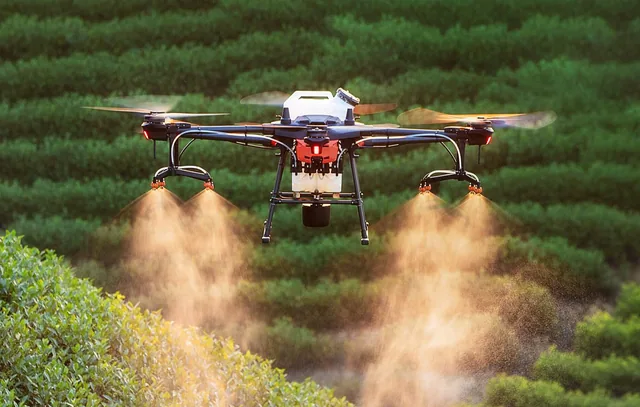
How next-generation engineers and agronomists can map their land and enhance their harvest.
· 3 min read
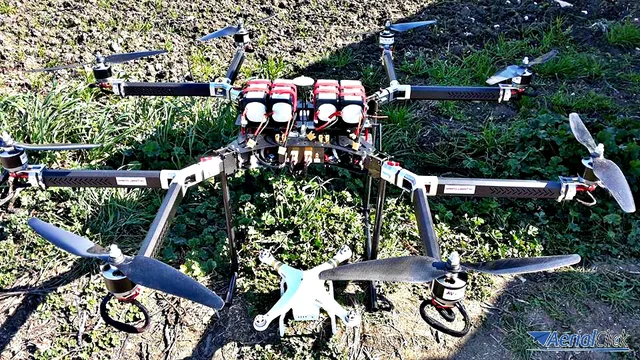
How drones can be a green aid for the primary sector In the past, robots and technology have been a factor in distancing human beings...
· 3 min read
🍪 Cookies on AerialClick
We use technical cookies, which are necessary for the site (cart, login). With your consent we also use marketing cookies (Meta) to measure campaigns and show you relevant ads. You can change your mind at any time from "Cookie preferences" at the bottom of the page. Cookie policy