
AerialClick supports training in the world of UAS
Anyone who loves drones and devotes much of their day to them knows that training is essential to live alongside these highly technological machines.
· 3 min read
Archive article. Article from 2015: since 31 December 2020 European rules (Regulation EU 2019/947) apply in Italy, and the information on SAPR (UAS), certifications and certificates described here is no longer in force. Read which certificates are required today
Some love them, many hate them. Everyone who has an opinion on the subject seems to have it well defined, clear, prophetic: they will either save the world or destroy it.
Detractors often support their positions with points that are hard to refute, such as the fact that drones are dangerous and are, after all, heavy objects flying over things or people at low to medium altitude, with all the potential danger that this entails.
What if the detractors are right?
Here are 3 more than valid reasons NOT to love drones.
We saw an example in Pompeii just a few days ago: during photogrammetric surveys of the ruins of Pompeii with two drones (recognised by ENAC and authorised by the superintendency), one of the two went out of control and crossed the perimeter of the archaeological area, crashing into a French window of a house in the adjacent urban area.
The pilot apparently did not comply with a fundamental aspect of the regulations: the use of a flight terminator during operations. The flight terminator is a device that, under the regulations, all SAPR operators must use because, in the event of loss of control of the aircraft, it makes it possible to end the flight within the work area and not, as happened in Pompeii, in a residential area.
If you buy a drone but do not hold an ENAC certification, it's true: the drone in itself is almost useless and, apart from flying it in your own garden, there is very little you can do, as the new ENAC regulation points out.
Of course, with a certification and a drone authorised for professional use (and obviously with experience and a professional rather than hobbyist attitude) it is possible to carry out surveys useful for smart agriculture and the protection of cultural heritage, to rescue potential victims of environmental disasters and to carry out quick inspections of viaducts, road sections prone to landslides, and unsafe buildings. They are also used in the fight against drug trafficking and human trafficking, but to do these things with a drone it is neither essential nor useful to love the drone itself, but rather this kind of work, for which UAVs are invaluable.
This is true too. To fly a drone you must comply with the rules and the ENAC certifications, attend courses that have a cost, and also purchase additional equipment (such as the flight terminator) required by law as well as for obvious safety reasons.
To fly a UAV you don't need so much love and passion, as patience and a desire to work in one or more of the sectors where drone technology is becoming a must (construction, architecture, civil protection, security, design, photography, agriculture).
The drone market is by now one in which the aim is not so much to offer fun as extremely high professionalism, so drones should NOT be loved, but understood, and there is no point in becoming passionate about them the way one might with model aircraft.
UAVs are useful today and will become indispensable for certain technically complex work sectors, in which passion must be joined by seriousness and professionalism.
Selected by our staff based on the topic of the article. Not sure which one to choose? Ask us for advice.



Diagnosis, repairs and maintenance in our workshop in Brindisi: open a case online and track the repair status.
Request assistance
Anyone who loves drones and devotes much of their day to them knows that training is essential to live alongside these highly technological machines.
· 3 min read
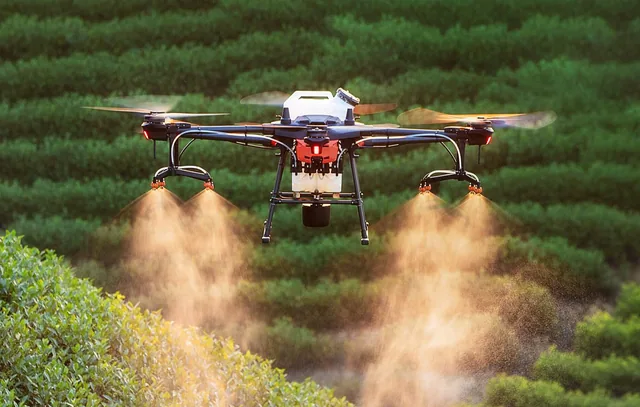
How next-generation engineers and agronomists can map their land and enhance their harvest.
· 3 min read
In this article we will explore how drones are transforming various sectors and analyse the challenges and opportunities linked to their adoption.
· 4 min read
🍪 Cookies on AerialClick
We use technical cookies, which are necessary for the site (cart, login). With your consent we also use marketing cookies (Meta) to measure campaigns and show you relevant ads. You can change your mind at any time from "Cookie preferences" at the bottom of the page. Cookie policy